
A spiritual awakening retreat is not a vacation where you simply rest beside beautiful scenery. It is a purposeful pause from the habits, noise, and responsibilities that can make your own inner voice difficult to hear. Through Kundalini yoga, meditation, breathwork, sacred ceremony, and sound healing, a retreat creates the space to remember what matters and to feel present in your own life again.
For some guests, that shift arrives as deep peace after years of carrying stress. For others, it is the courage to make a needed change, the softening of an old grief, or a renewed feeling of connection with a partner, a spiritual path, or a calling that has been waiting patiently for attention. There is no single experience you are supposed to have. The sacred work is to arrive willing to listen.
What Is a Spiritual Awakening Retreat?
A spiritual awakening retreat is a guided, immersive experience designed to support expanded awareness and personal renewal. Rather than treating yoga as exercise alone, it brings body, mind, heart, and spirit into one practice. Your days may include movement, breath-centered Kundalini yoga, meditation, nourishing meals, nature, reflective conversation, and sound experiences that invite the nervous system to settle.
The word awakening can sound dramatic, but it does not have to mean a sudden, life-altering revelation. Often, awakening is quieter. You may recognize how tired you have been. You may feel gratitude return. You may stop trying to force an answer and begin trusting the wisdom already rising within you.
A well-held retreat offers structure without demanding that every guest follow the same inner journey. Experienced teachers provide clear practices and a supportive container, while each person meets the experience in a way that is honest for them. That balance matters, especially for spiritually curious newcomers who want depth without pressure to perform or adopt someone else’s beliefs.
Why Stepping Away Creates Real Change
Daily life asks us to move quickly from one role to another. We answer messages, care for others, solve problems, and often postpone our own restoration until there is no energy left to give. Even a devoted home practice can feel different when it is squeezed between appointments and obligations.
Retreat removes some of that friction. When your morning begins with meditation rather than a screen, and your afternoon includes time to walk, journal, breathe, or rest, your system has a chance to reset. Repetition is part of the medicine. Practicing for several days in a row helps you move beyond the first layer of mental chatter and into a more grounded relationship with yourself.
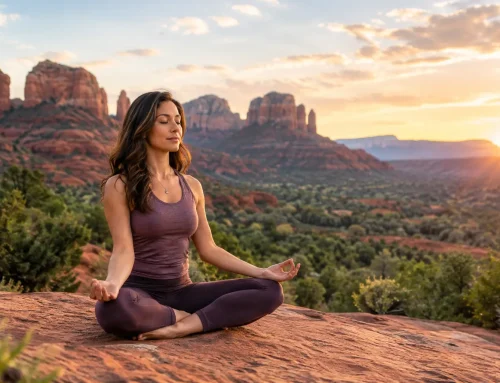
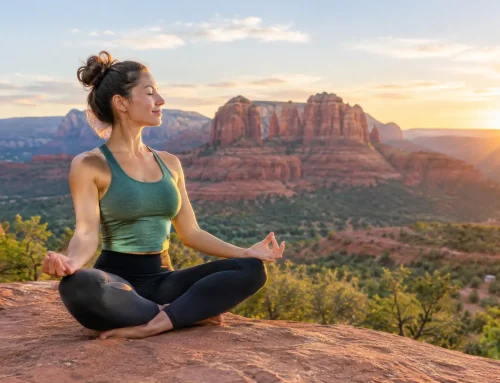
The setting also has a role. A sacred travel experience in Kauai, the Big Island, Sedona, or another place of natural beauty can help the heart open because the landscape itself asks you to slow down. Yet destination alone is not transformation. A stunning view cannot replace skilled guidance, thoughtful pacing, or a genuine sense of safety in the group. The deepest retreats pair meaningful places with practices that help you receive what the place has to offer.
The Practices That Support Awakening
Kundalini yoga is especially powerful in a retreat setting because it combines movement, breath, mantra, focus, and meditation. These foundational tools are not about achieving a perfect pose. They are designed to build vitality, clear stagnant energy, and strengthen your capacity to meet life with steadiness.
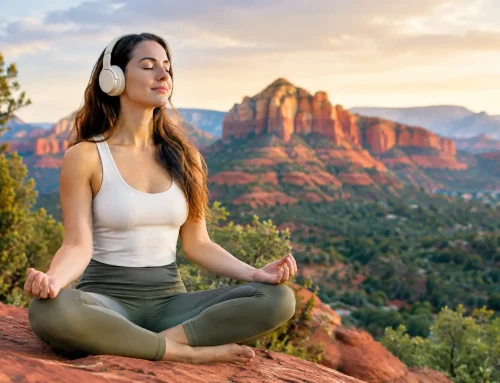
Meditation makes room for inner listening. In the beginning, many people notice how busy the mind feels. That is not failure. It is awareness beginning to grow. With compassionate instruction and consistent practice, you can learn to witness thoughts without letting every thought direct your day.
Sound healing adds another layer of restoration. The resonance of crystal bowls, voice, and intentional sound can invite deep relaxation and release. Some guests experience emotion during a sound session, while others simply rest more deeply than they have in months. Both responses are welcome. Sound is not a performance or a test. It is an invitation to receive.
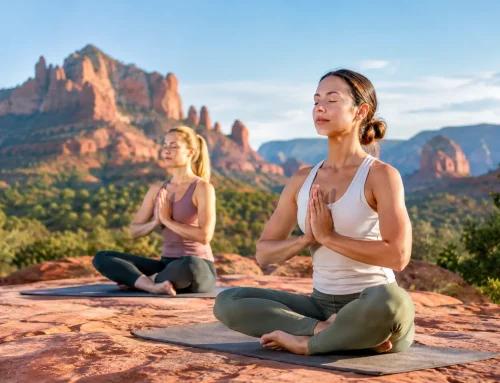
Sacred ceremony and group reflection can be equally meaningful. When people gather with clear intention, there is often a powerful reminder that healing does not have to be solitary. Couples may rediscover how to communicate from the heart. Retired guests may find a new chapter of purpose. Teachers and healers may reconnect with why they began serving others in the first place.
Choosing the Right Spiritual Awakening Retreat
The right retreat should feel inspiring, but it should also feel responsible. Look beyond polished photos and ask what kind of care shapes the experience. Who is leading the practices? Is there room for rest and integration? Are beginners welcomed alongside longtime practitioners? Does the schedule feel nourishing rather than packed from morning through night?
A few details deserve special consideration:
- Choose experienced leadership with a real depth of practice. A seasoned teacher knows when to encourage growth and when to offer gentleness.
- Consider the group atmosphere. A warm, respectful community can be as healing as the classes themselves.
- Notice whether the retreat includes practical tools you can take home, such as meditation methods, breathwork, recordings, or a sustainable daily rhythm.
- Be honest about your current capacity. If you are navigating acute grief, trauma, illness, or major emotional distress, additional one-on-one professional support may be helpful alongside a retreat.
It also helps to release the idea that bigger is always better. A retreat with elaborate excursions may be wonderful for one person, while another needs spacious mornings and fewer activities. If you are traveling with a partner, talk beforehand about whether you want shared practices, personal quiet time, or a little of both. Clear expectations make it easier to honor the experience together.
What to Bring Beyond Your Suitcase
Bring comfortable clothing, a journal, water, and an openness to being pleasantly surprised. More importantly, bring a gentle intention. An intention is not a demand for a specific outcome. It is a heartfelt direction, such as I am ready to receive clarity, I am willing to soften, or I want to come home to myself.
Leave room for the possibility that your intention may change. You might arrive seeking energy and discover you need rest. You may come hoping for certainty and receive a better question. Spiritual growth rarely moves in a straight line, and the most meaningful insights are often the ones that could not have been planned.
Try not to judge your experience against anyone else’s. One guest may feel energized after an early morning practice, while another may spend an afternoon in tears or need extra sleep. The purpose is not to appear transformed. It is to be truthful enough to meet what is present with compassion.
Returning Home With the Practice Alive
The return home is where retreat insights become part of a life. You do not need to recreate an entire retreat schedule in your kitchen or living room. In fact, trying to do too much can make the experience feel distant and impossible to sustain.
Choose one or two practices that felt genuinely supportive. It might be eleven minutes of meditation each morning, a familiar Kundalini kriya a few times a week, or a sound healing recording before bed. Protect that time as an appointment with your own well-being. Small, faithful practices can carry more transformation than a burst of intensity followed by months of postponing yourself.
Stay connected to the people and teachings that helped you feel seen. At YogaInspirations, retreats are created as living experiences, not isolated moments, so guests can continue their relationship with meditation, yoga, sound, and community after the journey ends. For those called to share these tools, meditation coaching or crystal bowl sound healing training can become a beautiful next step.
A retreat will not remove every challenge waiting at home. What it can offer is a steadier center from which to meet those challenges. Give yourself permission to let the changes unfold in ordinary moments: the way you breathe before responding, the way you speak to someone you love, the way you choose joy without needing to earn it first.


Leave A Comment
You must be logged in to post a comment.