
A true reset rarely happens because we read one inspiring sentence or take one afternoon off. It happens when we step away from the familiar pace of life long enough to hear ourselves again. Personal transformation retreats create that spaciousness through intentional practice, nourishing surroundings, and the gentle accountability of a caring group.
For many people, the call to retreat arrives during a transition: retirement, a relationship crossroads, grief, burnout, a health concern, or a quiet realization that life is asking for more meaning. You do not need to be in crisis to answer that call. You may simply be ready to feel more present, more energized, and more at home within yourself.
What Makes a Retreat Transformational?
A vacation can be restorative, and sometimes that is exactly what the nervous system needs. A personal transformation retreat has a different purpose. It is designed around inner participation. Rather than filling every hour with sightseeing or entertainment, it creates a supportive rhythm of yoga, meditation, breathwork, reflection, sacred ceremony, rest, and meaningful connection.
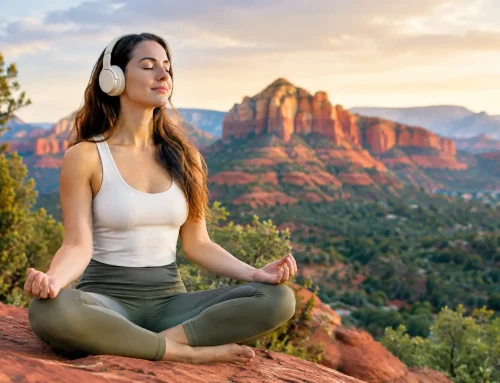
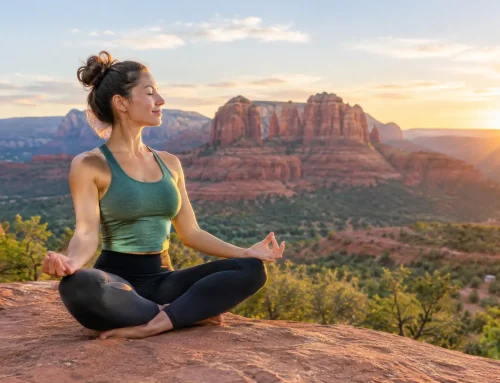
The setting matters because beauty helps us soften. The ocean rhythms of Kauai, the volcanic power of the Big Island, the red rocks of Sedona, or the ancient landscapes encountered on sacred travel can all invite a deeper sense of perspective. Yet the destination is not the transformation itself. The lasting shift comes from what you practice while you are there and what you are willing to carry home.
Kundalini yoga is especially powerful in this setting because it works with breath, movement, focus, and sound as one integrated experience. It is not about achieving a perfect pose. A carefully guided kriya may help release stagnant energy, steady the mind, strengthen the body, or create a fresh relationship with emotion. Meditation gives that experience room to settle into awareness.
Sound healing can deepen the process in another way. The resonant tones of crystal bowls are often experienced as an invitation to rest beyond mental effort. For a person whose days are filled with decisions, care for others, or constant information, receiving sound in a quiet, intentional space can feel profoundly renewing.
The Shift Happens Through Repetition
One beautiful class can inspire you. Several days of practice can begin to change your inner rhythm.
At a thoughtfully curated retreat, each day builds on the one before it. You may begin the morning with breathwork and Kundalini yoga, return to stillness in meditation, share a nourishing meal, spend time in nature, and gather for a sound healing journey or evening practice. This repetition is not rigid. It is a container that helps the body and mind remember a calmer, more connected way of being.
The first day can feel surprisingly emotional. Once the usual demands fall away, tiredness, grief, gratitude, or long-held feelings may rise to the surface. That does not mean anything has gone wrong. It can be part of returning to yourself. Skilled guidance is essential here. A retreat leader should create a grounded atmosphere where participants are never pressured to disclose more than they wish and where spiritual practice is offered with care, respect, and practical wisdom.
By the middle of a retreat, many guests notice they are breathing more fully, sleeping more deeply, or reacting less quickly. Others experience a clearer sense of what needs to change when they return home. These shifts are personal. No ethical retreat can promise a particular breakthrough, but a devoted practice environment can make it easier to recognize the truth you already carry.
Community Is Part of the Medicine
Transformation is often described as an individual journey, but being witnessed with kindness can be deeply healing. Retreat groups bring together people from different backgrounds who share a desire for greater well-being, spiritual connection, and joyful living. Couples may come to renew their relationship. Retired guests may be entering a new season of purpose. Teachers may arrive ready to expand their skills in meditation or sound healing.
The most meaningful groups do not require everyone to be alike. They create belonging without performance. There is space to laugh, be quiet, ask sincere questions, and let friendships form naturally. Many retreat guests return again and again because the community becomes part of their spiritual nourishment.
This is also why group size and leadership matter. A large program may offer exciting energy and many amenities, while a more intimate retreat can make room for personal attention. Neither is automatically better. Consider what helps you feel safe enough to be present: a smaller circle, more free time, a structured schedule, private accommodations, or a blend of guided activity and spacious rest.
Choosing Personal Transformation Retreats With Care
Not every retreat with beautiful photographs offers the same depth. Before committing, look beyond the destination and ask what the experience is truly centered on. Is there a clear daily practice? Are the teachers experienced in the modalities they offer? Does the schedule allow time to integrate, or is it packed from morning to night? Is the language inviting and grounded, rather than built around dramatic promises?
It is also wise to consider your current needs. If you are exhausted, a retreat with long excursions and late nights may not serve you as well as one that values rest. If you are new to yoga, seek a program that welcomes beginners and offers modifications without making you feel behind. If you are a seasoned practitioner, you may be ready for a more immersive Kundalini practice, a meditation coach training, or sound healing education with crystal bowls.
A well-led retreat is not a place to escape your life forever. It is a place to meet your life with greater clarity. The best teachers honor both the sacred and the practical. They understand that after a profound meditation, guests may still need to have a difficult conversation, make a decision, care for a family member, or return to a full inbox. Spiritual growth becomes meaningful when it supports how we live on an ordinary Tuesday.
Bringing the Retreat Home
The return home deserves as much intention as the departure. Instead of trying to recreate every moment, choose one or two practices that felt alive for you. It may be a morning meditation, a short Kundalini kriya, a few conscious breaths before dinner, or ten minutes with a favorite sound healing recording. Small, consistent practices are more likely to become part of your real life than an ambitious plan that disappears within a week.
Give yourself time to integrate before deciding that nothing has changed. A retreat insight may reveal itself slowly, in the way you set a boundary, respond with more patience, choose nourishment, or make room for joy. Writing down a few intentions before leaving the retreat can help. So can staying connected to a teacher, local practice group, or fellow guests who understand the experience.
YogaInspirations retreats are shaped with this continuing journey in mind. With more than two decades of teaching experience and 162 retreats offered, Diane brings a radiant, loving presence to sacred travel experiences while inviting high-quality teachers to share their gifts in sound healing and spiritual practice. The intention is not simply to visit a beautiful place. It is to leave with foundational tools that can support your body, mind, and spirit long after the journey ends.
You do not have to wait until everything falls apart to choose renewal. Sometimes the most courageous next step is to give yourself a few sacred days to listen, breathe, receive, and remember the joy that has been waiting within you.





Leave A Comment