
The moment your schedule finally goes quiet, something deeper can begin to speak. Yoga retreats offer more than a beautiful place to rest: they create protected time to hear yourself again, move stagnant energy, and remember what brings you genuine joy. For many guests, the journey begins as a needed break and becomes a meaningful return to their own inner guidance.
A retreat is not about performing the most advanced pose or arriving as a perfectly peaceful person. It is a chance to step out of familiar roles, release the pressure to keep up, and practice in a circle of people who are also choosing presence. Whether you are an experienced teacher, a retired traveler ready for a new chapter, a couple seeking deeper connection, or simply curious about Kundalini yoga, the right experience meets you where you are.
Why Yoga Retreats Feel Different
A weekly class can be a powerful anchor, but it must often fit between meetings, family needs, errands, and a full inbox. A retreat changes the rhythm. Instead of squeezing in one hour of practice, you wake with an intention, breathe with it, meditate with it, eat with awareness, and allow the teachings to settle over several days.
That repetition matters. In Kundalini yoga, breath, movement, mantra, and meditation are practiced as a complete technology for awareness. When these foundational tools are offered consistently, rather than occasionally, participants often notice patterns that were easy to overlook at home. A restless mind may soften. A long-held question may become clearer. The body may ask for more rest, more honest expression, or a new way of caring for itself.
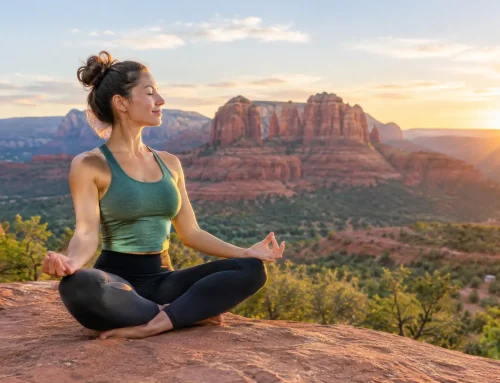
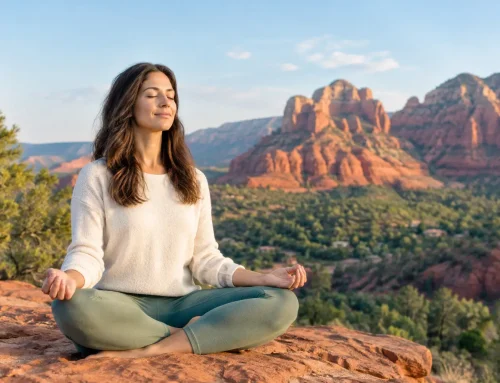
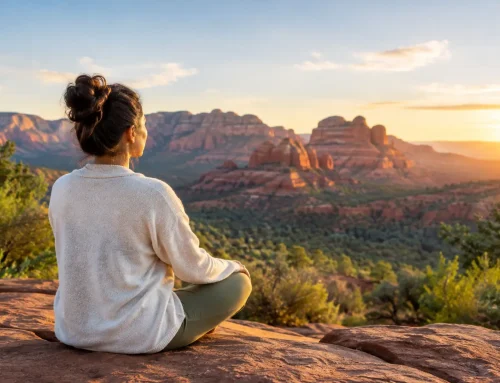
The setting supports this shift, too. Sacred travel to places such as Kauai, the Big Island of Hawaii, Sedona, Greece, Croatia, or New Zealand brings us into relationship with the natural world and with the spirit of a place. A sunrise by the ocean, red rock beneath an open sky, or a quiet path through an ancient landscape can make meditation feel less like another task and more like a natural way of being.
Still, a destination alone does not make an experience transformational. The heart of a meaningful retreat is thoughtful guidance, a clear container, and enough spaciousness for each person to have their own experience. A full itinerary can be exciting, but too much activity leaves little room for integration. The best retreats balance exquisite exploration with quiet moments to simply be.
What a Well-Curated Retreat Can Offer
A nourishing retreat has a rhythm that honors both structure and freedom. You may begin the day with yoga and meditation, gather later for sound healing or sacred ceremony, and have time to rest, journal, swim, explore, or share a meaningful conversation over a beautiful meal. The practices are not separate from the travel experience. They become a way of receiving it more fully.
Kundalini Practice for Everyday Life
Kundalini yoga is especially suited to retreat work because it offers practical tools that can travel home with you. Breathwork can become a steadying practice before a difficult conversation. A meditation can help create a morning ritual. Movement can reconnect you with your vitality when life feels overly mental or demanding.
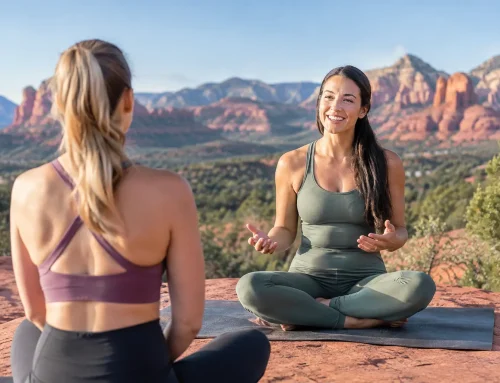
The goal is not to collect spiritual experiences. It is to discover practices you can honestly continue. A skilled teacher will offer modifications, explain the purpose of a practice, and make room for beginners without diluting the depth that longtime practitioners value. This is one reason mixed-level groups can be so powerful: everyone is invited to meet their own edge with compassion.
Sound Healing and Sacred Ceremony
Sound healing adds another dimension to retreat life. The sustained tones of crystal bowls can invite deep rest and inward attention, especially after movement and meditation. Some guests experience sound as a release of mental noise; others simply enjoy the rare gift of lying still and receiving. There is no correct response.
Sacred ceremony can also give shape to an inner turning point. Intention setting, gratitude, release, and conscious celebration help participants acknowledge what they are ready to leave behind and what they want to nurture. These moments need not be dramatic to be profound. Often, a sincere prayer, a shared circle, or a few quiet breaths says enough.
Choosing Yoga Retreats That Truly Fit You
Before choosing among yoga retreats, ask a more useful question than, “Where do I want to go?” Ask, “How do I want to feel when I return?” If you crave restoration, a retreat with ample downtime, gentle options, sound healing, and a peaceful natural setting may be ideal. If you feel called to expand your skills, seek a program that includes deeper study, mentoring, or training in meditation coaching or crystal bowl sound healing.
It also helps to consider the teacher’s experience and the quality of their presence. A retreat leader is not merely arranging accommodations and classes. They are holding the emotional and spiritual tone of the group. Look for someone with a long history of teaching, a genuine respect for each destination, and the ability to welcome both laughter and tenderness. Diane’s more than two decades of teaching and 162 retreats reflect the kind of seasoned guidance that helps a group feel cared for from arrival through integration.
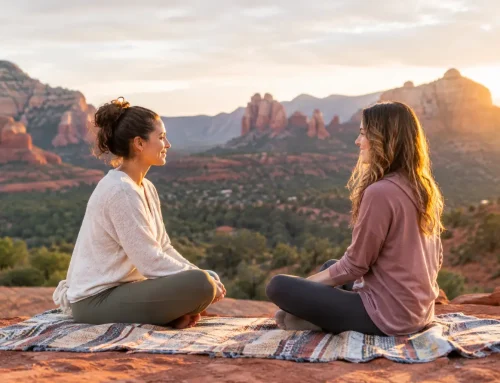
Group size matters, although there is no single right answer. A smaller group may offer more personal attention and intimate connection. A larger gathering may bring lively community and a wider range of perspectives. Consider whether you want independent time, shared excursions, or a balance of both. Couples may appreciate a retreat that allows for private connection while also inviting them into a warm community.
Be honest about the practical side as well. International travel brings a sense of adventure, but it may require longer flights, more planning, and extra recovery time. A domestic retreat can be easier to fit into a busy season and may still offer a profound reset. Luxury surroundings can make rest feel effortless, while a simpler setting may appeal if your focus is unplugging from excess. Neither choice is more spiritual. The best choice is the one that lets you arrive open and unhurried.
Arrive Ready to Receive
You do not need to prepare perfectly for a retreat. In fact, releasing perfection may be one of the first gifts you give yourself. A few small choices can help you arrive grounded: protect the day before travel from unnecessary obligations, begin drinking more water, bring comfortable layers, and leave room in your suitcase for a journal and a favorite shawl or meditation wrap.
More importantly, come with a gentle intention instead of a demand. “I want to listen to my body.” “I am ready to welcome more joy.” “I want to remember my next true step.” An intention is not a test you must pass. It is a doorway you can return to throughout the journey.
If strong emotions arise, allow them to be part of the experience without assuming they must be solved immediately. Retreats can create enough quiet for grief, fatigue, hope, and inspiration to surface. Supportive teachers and community can make this feel less isolating, but your own pace deserves respect. Rest is practice, too.
Let the Retreat Continue at Home
The real beauty of sacred travel is not limited to the final ceremony or the last view before departure. It appears weeks later, when you choose three conscious breaths before reacting, play a healing meditation at home, or remember the feeling of being fully present in your body.
Rather than trying to recreate every part of the retreat, choose one practice that feels alive and sustainable. It may be a short Kundalini meditation, a moment of gratitude before bed, a weekly sound bath, or a commitment to protect one quiet morning each week. Small rituals are how the insight of travel becomes the texture of daily life.
Give yourself permission to travel not only toward a beautiful destination, but toward the life you are ready to inhabit. Your next breath can be the beginning of that return.


Leave A Comment