
The first morning on Kauai can feel like an invitation to listen differently. Trade winds move through the palms, rain softens the mountains, and the Pacific holds a rhythm older than any calendar or to-do list. Kauai spiritual retreats offer more than a beautiful change of scenery. At their best, they create protected space to step out of constant responsibility, reconnect with the body, and remember what a more joyful, balanced life feels like from the inside.
For many guests, that shift begins quietly. It may arrive in the stillness after meditation, during a breath practice that loosens a held emotion, or in the resonance of crystal bowls that seems to settle the nervous system. The island does not do the inner work for us. It does, however, offer a rare setting in which distraction falls away and spiritual practice can become personal again.
Why Kauai Spiritual Retreats Feel So Different
A spiritual retreat is not simply a vacation with yoga added to the schedule. It is an intentional pause, guided by practices that help bring the mind, body, and spirit back into harmony. Kauai is especially suited to this kind of renewal because the landscape encourages presence. Lush valleys, ocean horizons, waterfalls, and changing light make it easier to move from rushing to receiving.
Yet the real transformation comes from the container created around that beauty. A thoughtfully led retreat gives each day a rhythm: movement to awaken energy, meditation to clear the mind, nourishing food, time for reflection, and sacred community. Instead of trying to squeeze self-care into the edges of a busy life, guests are invited to let wellness become the center of the day.
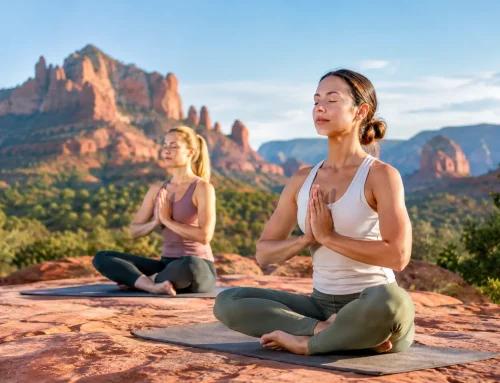
This is valuable for longtime practitioners and newcomers alike. An experienced yogi may deepen a daily Kundalini practice or receive fresh inspiration for teaching. Someone who has never attended a retreat may simply discover that they can sit in meditation, breathe more fully, and feel at home in a supportive group. There is no need to arrive as a finished version of yourself.
The island is a setting, not a shortcut
Kauai is often called sacred, and it deserves to be approached with genuine reverence rather than as a backdrop for personal consumption. The island has a living culture, a deep history, and communities who call it home. A meaningful retreat honors the land through mindful travel, gratitude, and a willingness to slow down.
That respect also changes the experience. Rather than racing from one scenic stop to the next, guests can allow time to be in relationship with place: watching the ocean, walking gently, observing quiet, and noticing what rises within. Sacred travel is less about collecting images and more about becoming available to the moment.
What a Transformational Retreat Day Can Include
The most nourishing retreat schedules balance structure with spaciousness. Too much activity can recreate the pressure people came to release. Too little guidance can leave guests feeling ungrounded, especially when emotions begin to surface. The right rhythm depends on the group, the season, and the intention of the journey.
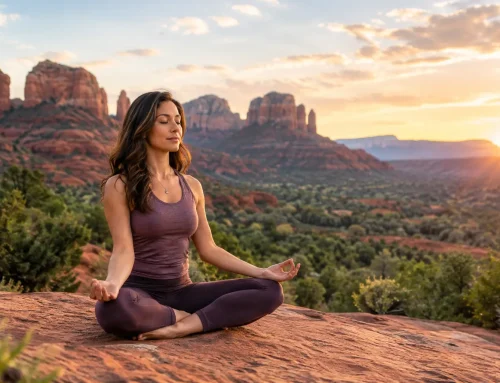
A morning may begin with Kundalini yoga, a practice that blends movement, breath, mantra, and meditation. Kundalini yoga is not about performing difficult poses. It works with energy, awareness, and the capacity to meet life with greater steadiness. A carefully chosen kriya can support vitality, emotional resilience, digestion, rest, or clarity, while meditation offers a direct way to quiet habitual mental noise.
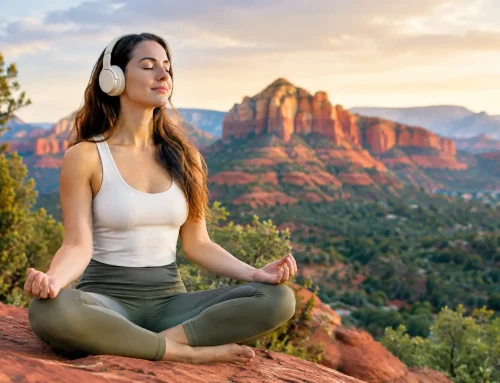
Sound healing often becomes another doorway into restoration. The sustained tones of crystal bowls can invite deep relaxation and help guests move beyond the feeling that they must figure everything out intellectually. For some, the experience is peaceful and spacious. For others, it brings tears, memories, or an unexpected release. Both responses can be part of healing when held with skill, gentleness, and enough time to integrate.
Sacred ceremony may also create a meaningful point of connection. Ceremony gives intention a body. It can be as simple as gathering in a circle, naming what you are ready to release, or offering gratitude for the life you are building. It is not about forcing a mystical experience. It is about making room for honesty, presence, and the inner wisdom that often gets buried beneath daily demands.
Afternoons need breathing room. Guests may journal, rest, receive bodywork, swim, visit a peaceful beach, or enjoy time alone. Couples often appreciate this balance because they can share a powerful experience without needing every moment to be scheduled together. Retired guests may welcome the freedom to move at a more natural pace, while teachers and dedicated practitioners can use the quiet time to reflect on what they will carry home.
Choosing the Right Kauai Retreat for You
Not every retreat serves the same purpose, so choosing well matters. Start with the kind of support you truly want. If you are exhausted, a schedule built around restoration, meditation, and sound healing may be more beneficial than an adventure-heavy itinerary. If you are at a turning point, seek experienced leadership that can hold deeper inquiry without making promises of instant transformation.
Look closely at the teacher’s experience and approach. A retreat leader should offer more than an attractive destination. They should know how to guide group energy, adapt practices for different bodies and life stages, and create an atmosphere where people feel seen. Diane of Yoga Inspirations brings more than 20 years of teaching experience and has guided 162 retreats, shaping each journey around the people who gather there. That kind of seasoned attention can make the difference between a pleasant trip and a truly supported inner reset.
Consider the size and culture of the group as well. Some people thrive in a lively circle with shared meals and new friendships. Others need a quieter, more intimate environment. Ask yourself whether you want substantial yoga and meditation instruction, training in sound healing or meditation coaching, meaningful excursions, or a blend of all of these. There is no universal best choice. The best retreat is the one aligned with your present season.
It also helps to release the idea that you must be flexible, spiritual, or certain of your goals before you arrive. Bring curiosity instead. Let your body guide the pace. If a practice feels too intense, modify it. If solitude calls, honor that. A healthy retreat culture makes room for individual needs while preserving the shared intention of the group.
Bringing the Practice Home With You
The return home is often where a retreat reveals its true value. After days of intentional practice, the inbox, family needs, and familiar routines can quickly return. This does not mean the retreat “wore off.” It means integration is needed.
Choose one small practice before leaving Kauai. Perhaps it is a ten-minute meditation each morning, a breath practice before difficult conversations, a weekly sound bath with your own crystal bowls, or a simple moment of gratitude before bed. Small, repeated rituals are more powerful than an ambitious plan that lasts one week.
You might also protect one element of retreat spaciousness in ordinary life. Take a walk without your phone. Sit outside at sunrise. Schedule an evening without obligations. Return to a mantra when anxiety takes over. The goal is not to recreate Kauai at home. It is to remember that the calm, clarity, and love you touched there are qualities you can continue to cultivate.
A sacred journey can help you hear the next true step, but you are the one who gives that step a place in your life. Let Kauai be the beginning of a gentler rhythm: one that honors your health, your relationships, your purpose, and the joy you are here to experience.


Leave A Comment