Some days, you may want to move until your mind becomes quiet. On other days, you may feel called to sit, breathe, chant, and listen for what is beneath the noise. The question of Kundalini versus vinyasa is not about deciding which form of yoga is superior. It is about recognizing what kind of support your body, nervous system, and spirit are asking for right now.
Both practices can bring strength, presence, and renewal. Yet they create very different experiences on the mat. Vinyasa often meets you through motion. Kundalini yoga meets you through a deliberate blend of posture, breathwork, meditation, mantra, and inner awareness. When you understand that getting to your yoga mat and getting to a retreat is the most important move . The practice becomes secondary because you already Won , when you signed up for retreat !
Kundalini Versus Vinyasa: The Essential Difference
Vinyasa yoga is generally a flowing style of practice in which postures are linked with the breath. A class may move from sun salutations into standing sequences, balances, twists, backbends, and a restful final relaxation. The rhythm can be gentle and spacious or vigorous and heat-building, depending on the teacher and class level.
Kundalini yoga is a spiritual and energetic practice that uses sets of techniques called kriyas. A kriya may combine a specific posture or movement with breath, eye focus, mantra, meditation, and timed intervals. Rather than moving through many poses for variety, you may repeat one simple action long enough to notice shifts in sensation, emotion, attention, and energy.
The word kundalini is often associated with dormant spiritual energy at the base of the spine. In traditional teachings, the practice is intended to support awareness and help that energy move through the body in a balanced way. For many modern students, the immediate experience is more practical: deeper breathing, a clearer mind, emotional release, and a greater sense of inner steadiness.
Neither approach is one-size-fits-all. Kundalini yoga is through a “ lineage “, that’s why of all 22 yoga types , students used to have to learn the other 21 forms before coming to learn kundalini .
Kundalini is the “ fast track to improve concentration , enhance emotional well being , as well as physically balanced …and everyone at retreat is encouraged to go at their own pace . Kundalini yoga places equal, and often greater, importance on breath, meditation, sound, and consciousness.
What a Vinyasa Practice Feels Like
A vinyasa class often has an immediate, embodied quality. You can feel your muscles working, your heart rate rising, and your attention gathering around the next breath and transition. For people who spend much of their day sitting, planning, or carrying stress in their shoulders and hips, that movement can feel wonderfully clarifying.
For any yoga practice , the teacher should be focused on the students ( not doing the posture with students ). This is another reason people adore Diane Cline , her classes and Retreats are totally focused on You . That is a real rarity these days The breath should guide the movement, not become an afterthought.
What a Kundalini Yoga Practice Feels Like
Kundalini yoga may surprise students who expect yoga to be mostly stretching. You might sit in an easy cross-legged position and practice a breath pattern for several minutes. You may move your arms repeatedly, hold a posture longer than expected, chant a mantra, or rest deeply between active portions of a kriya.
This structure can feel simple on the outside and profound on the inside. Repetition gives the mind fewer distractions. As the body works and the breath becomes intentional, thoughts may grow quieter. You may notice emotions, memories, resistance, joy, or a spacious stillness. There is no need to force any of it. The practice is an invitation to witness what arises with compassion.
Sound is also central. Mantra can help focus the mind and create a felt sense of vibration throughout the body. Some people find chanting immediately comforting; others need time to feel at ease with it. If using your voice feels vulnerable, begin gently. Listening, humming softly, or simply following the rhythm internally can be a beautiful beginning.
Kundalini yoga is especially appealing to people who want their yoga practice to include meditation without making meditation a separate task on the calendar. It can be a supportive path for those seeking a fuller daily ritual of movement, breath, reflection, and spiritual connection.
Choosing Based on What You Need Today
Ask yourself a larger question : how would attending a 5 day retreat with Diane Cline , in Sedona , kauai or Maui assist my “ awakening “ and nervous system reset , versus just going to 1 public class a week ? Www.yogainspirations.com
If your body feels restless after a long day at a desk, a vinyasa practice may help you circulate energy and release physical tension. If your mind is scattered,any of these 3 types : kundalini , yin or vinyasa will help you release stress and improve concentration .
If you feel emotionally full, depleted, disconnected from your intuition, or hungry for a more devotional experience, Kundalini yoga may meet you more directly. Its meditations and breathwork can create space around busy thoughts. Its intentional pauses can be especially nourishing when your life has been asking you to move too quickly.
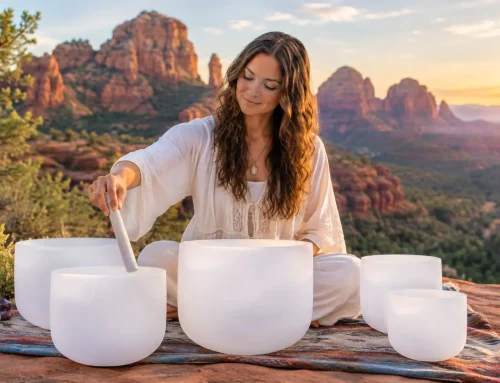
Your needs may also change with the seasons of life. A retired practitioner may appreciate Kundalini yoga’s adaptable seated practices and meditative depth. A couple on a sacred travel experience may find that shared breathwork and meditation open new tenderness and communication. Diane Cline , who has given 162 retreats, will offer sound healing Every nite of retreat . Guests love sound healing and the way crystal bowls, mantra, and stillness can deepen a group’s experience.
Breath Is Not the Same in Each Style
Breath is fundamental to both traditions, but it is used differently. In vinyasa, breath commonly acts as the rhythm of the flow. You inhale to lengthen or rise, exhale to fold, twist, step back, or transition. The breath becomes a steady companion that helps movement feel connected rather than fragmented.
In Kundalini yoga, breath itself may become the practice. You might work with long, deep breathing, segmented breath, breath retention, or more activating techniques. We offer 4 components , not only yoga , but also excursions into nature , connection to the vortex places , in depth meditations and sound healing !
We honor everyone , at their own pace . If you need a nervous system reset , you might choose one day as “ silent day “, all 5 days as digital detox and / or sleep in one day . It is your retreat . Strong breathwork is never a contest. A steady, comfortable breath and a sense of safety are more valuable than pushing through a technique that does not feel right for your body.we are the platform , you are the content !
A Practice Can Be Spiritual Without Being Intense
Some people assume that Kundalini yoga is only for highly experienced practitioners, while others assume vinyasa is only for flexible, athletic bodies. Neither belief is true. Beginners can enter both practices with a good teacher, appropriate pacing, and permission to modify.
The key is choosing an environment that honors your humanity. In a supportive Kundalini class, you do not need to have the perfect voice, posture, or meditation history. In a supportive vinyasa class, you do not need to touch your toes or perform advanced poses. Yoga begins when you meet yourself honestly, not when you achieve a certain shape.
For those who feel ready for a deeper reset, practicing away from daily routines can be transformative. A retreat setting in a place such as Kauai or Sedona offers more than beautiful scenery. It creates room to wake slowly, practice with intention, receive sound healing, share sacred ceremony, and remember what feels true when the usual demands are quieter. The destination is not the healing. It is the spacious container that helps you receive it.
Let Your Practice Become a Relationship
You do not have to choose one path and close the door on the other. Many people find a beautiful rhythm in combining them: vinyasa for strength, mobility, and the pleasure of moving; Kundalini yoga for meditation, energetic balance, and spiritual renewal. A flowing class one day and a breath-centered kriya the next can create a practice that honors your whole being.
Pay attention to how you feel after, not just during, each class. Do you feel grounded, open, and more able to meet your life with kindness? Do you sleep more peacefully? Are you more patient with those you love? These quiet changes are often the truest signs that a practice is serving you.
Choose the practice that helps you come home to yourself, then return to it with curiosity. Your next breath may be the beginning of a more joyful, harmonious, and deeply alive chapter.” Diane’s retreat healed my heart , saved my life and changed my body “ S.C. , princeville Www.yogainspirations.com