A retreat morning can begin before anyone says a word: warm tea in hand, birdsong outside the window, and a few unhurried breaths before gentle movement begins. Yoga retreats for seniors create room for this kind of restoration – not as an escape from life, but as a meaningful return to the body, spirit, and joy that may have been waiting beneath a very full schedule.
For many adults in their later years, yoga is no longer about achieving a dramatic pose. It is about moving with greater ease, sleeping more peacefully, feeling steady on one’s feet, and remembering that wellbeing can still deepen with every season of life. The right retreat honors that truth with skilled guidance, comfortable pacing, nourishing surroundings, and practices that meet each guest where they are.
Why Yoga Retreats for Seniors Feel So Meaningful
A thoughtfully designed retreat offers something a weekly class cannot always provide: time. Time to settle into a practice without rushing to the next appointment. Time to notice what the breath is teaching. Time to form friendships with people who also value purpose, health, and spiritual connection.
The physical benefits matter, of course. Gentle yoga may support flexibility, mobility, balance, body awareness, and relaxation. Yet the deeper gifts are often emotional and spiritual. Meditation can help create a calmer relationship with change. Breathwork can offer a grounding ritual during stressful moments. Sound healing and sacred ceremony can invite a profound sense of peace that is difficult to find in the noise of daily responsibilities.
For retired guests, a retreat can also mark a new beginning. After years of caring for a family, building a career, or supporting a community, there is an opportunity to ask a more personal question: What would it feel like to devote a few days to my own inner life?
What Makes a Retreat Senior-Friendly
Age alone does not determine what a person can do. Some guests in their seventies hike regularly, while others are managing joint pain, reduced balance, a recent surgery, or fatigue. A supportive retreat does not make assumptions. It offers choices.
Look for yoga classes that include chairs, bolsters, blankets, straps, and clear modifications. A skilled teacher will emphasize comfort, breath, and alignment rather than pushing participants into a particular shape. There should be permission to rest, observe, or skip any activity without apology. This is especially valuable in Kundalini yoga, where a practice may include movement, breath, mantra, meditation, and stillness in ways that can be adapted for different bodies.
The retreat setting matters just as much as the class plan. Consider the number of stairs, walking distances between rooms, bathroom access, airport transfers, climate, and the availability of quiet places to rest. A beautiful destination is more enjoyable when the logistics feel caring rather than demanding.
It is also wise to review the schedule before reserving a place. Some travelers thrive with an early morning practice and a full afternoon of outings. Others want a gentler rhythm with spacious breaks between sessions. Neither choice is better. The most nourishing retreat is the one that leaves you feeling replenished, not overextended.
A Note on Health and Safety
Yoga can be deeply supportive, but it is not a substitute for medical care. Guests with heart conditions, osteoporosis, glaucoma, joint replacements, chronic pain, recent injuries, or other health concerns should speak with their health care professional before traveling and let the retreat leader know about relevant limitations.
That conversation helps create a safer, more personal experience. A trustworthy teacher welcomes it. They will offer alternatives, encourage a slower pace when needed, and remind guests that listening to the body is a strength, not a limitation.
The Practices That Often Serve Seniors Best
A retreat does not need an aggressive fitness agenda to be transformational. In fact, the practices that remain with guests long after they return home are often beautifully simple.
Gentle movement can ease stiffness and build confidence in everyday motion. Breath practices may help settle the nervous system and offer a practical tool for moments of worry or overwhelm. Guided meditation creates a protected space to rest the mind, while mantra can be especially moving for those who find comfort in sound, rhythm, and shared intention.
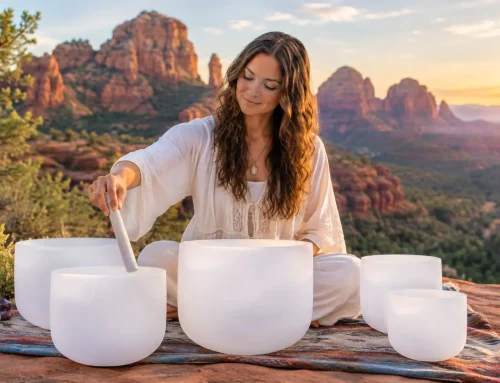
Sound healing with crystal bowls offers another dimension of rest. Many people arrive carrying the invisible weight of caregiving, grief, major life transitions, or years of putting their own needs last. Resting in healing tones does not erase those experiences, but it can create a quiet place to feel them without needing to explain them. For some, that is where a genuine inner shift begins.
A well-rounded retreat may also include reflective writing, nature walks, mindful meals, sacred sites, and small-group conversations. These experiences help the practice move beyond the yoga mat. A simple walk near the ocean in Kauai, a quiet sunset in Sedona, or a shared meal after meditation can become a reminder that life is still full of wonder.
Choosing the Right Destination and Group
The destination should serve the intention of the retreat, not distract from it. Hawaii may call to someone who feels restored by water, tropical beauty, and a slower island rhythm. Sedona can be meaningful for travelers drawn to desert stillness, red rock landscapes, and reflective time in nature. Greece, New Zealand, and other sacred travel destinations may appeal to those who want the inspiration of a larger journey paired with guided spiritual practice.
Longer travel can be extraordinary, but it comes with trade-offs. Jet lag, unfamiliar terrain, and extended flights may require extra planning. A closer destination can offer just as much renewal with less physical strain. Consider your energy, budget, desired level of activity, and how much independence you want during free time.
The group atmosphere is equally important. Some guests come alone and hope to meet kindred spirits. Others travel with a spouse, sibling, or friend and want to strengthen a relationship through shared experience. The best groups are welcoming without being intrusive. They allow connection to unfold naturally, whether that means a deep conversation after class or a peaceful afternoon spent in solitude.
At Yoga Inspirations, retreat leader Diane brings more than two decades of experience in yoga, meditation, and sound healing to sacred travel experiences that are carefully customized for the people attending. That personal attention can make a world of difference, particularly for guests who want to feel seen rather than processed through a one-size-fits-all program.
How to Prepare Without Overthinking It
Preparation can be gentle, too. Bring comfortable layers, supportive walking shoes, any needed medications, and clothing that allows easy movement. If you use a mobility aid or have dietary needs, communicate early so the retreat team can help you plan with confidence.
You do not need to arrive flexible, experienced, or spiritually certain. A retreat is not an audition. It is an invitation. The most useful thing to bring is a willingness to be present with what is true for you now.
Before leaving home, consider setting a quiet intention. It might be to rest more deeply, reconnect with your partner, release an old pattern, build a meditation habit, or simply laugh more often. Hold it lightly. Inner renewal rarely follows a strict schedule, and sometimes the most memorable gift of a retreat is the one you did not know to ask for.
Let the Experience Continue at Home
A powerful retreat can feel like stepping into a more harmonious version of life. The real tenderness comes in carrying a small part of that feeling home. Rather than trying to recreate every practice, choose one that fits your ordinary morning or evening: five minutes of breathwork, a favorite meditation, gentle stretches before bed, or a moment of silence with a cup of tea.
This is how retreat wisdom becomes lived wisdom. Not through perfection, but through repetition and kindness. The body learns that it is safe to soften. The mind learns that it can pause. The spirit remembers that joy is not reserved for special occasions.
There is no age limit on beginning again. A well-chosen retreat may offer fresh strength, new friendships, and a renewed relationship with your own sacred life. Let the next chapter be one in which you travel gently, practice honestly, and make room for the radiant person you are still becoming.