
A retreat can look perfect in photographs and still not be the place your spirit needs. When selecting wellness retreats, the real question is not simply, “Where do I want to go?” It is, “Who do I want to become while I am there?” A meaningful journey creates room to exhale, listen inwardly, and return home with practices that continue to support your life.
The right retreat is not necessarily the most luxurious, the busiest, or the farthest from home. It is the one whose intention, leadership, pace, and community meet you honestly. Whether you are longing for quiet renewal, a deeper Kundalini yoga practice, healing through sacred sound, or precious time to reconnect as a couple, let your choice be guided by what feels true beneath the surface.
Selecting Wellness Retreats Starts With Your Intention
Before comparing destinations, pause long enough to name what is calling you. You may be carrying stress that has settled into your body. You may be at a crossroads, grieving a change, or feeling ready to welcome more joy, abundance, and spiritual clarity. Perhaps you simply want an experience that reminds you that your life is sacred.
A clear intention does not need to be grand. “I want to sleep deeply again” is a worthy intention. So is “I want to learn meditation without feeling intimidated,” “I want to strengthen my relationship,” or “I want to be held by a heart-centered community.” Your purpose will help you recognize which retreat elements are essential and which are just appealing extras.
It also helps to be realistic about the depth of transformation you seek. A long weekend can provide a beautiful reset and introduce helpful tools. A seven- to ten-day sacred travel experience often allows more time for the nervous system to settle, for friendships to form, and for insights to become embodied. Neither is better in every season. Choose the commitment your current life can truly receive.
Look Beyond the Destination
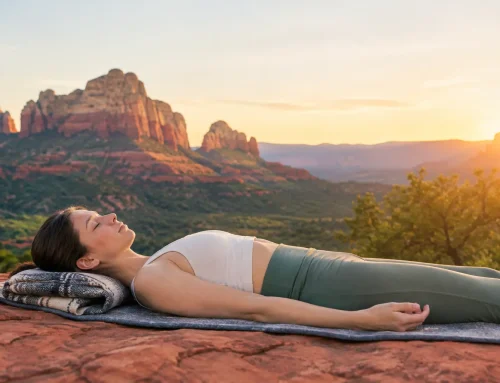
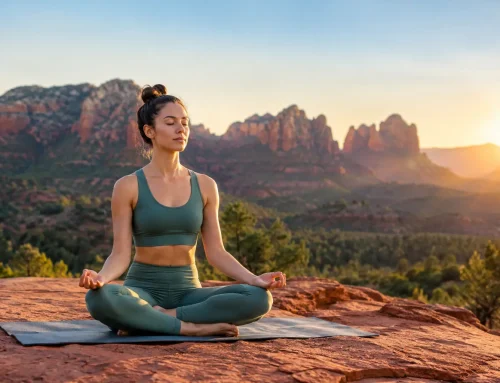
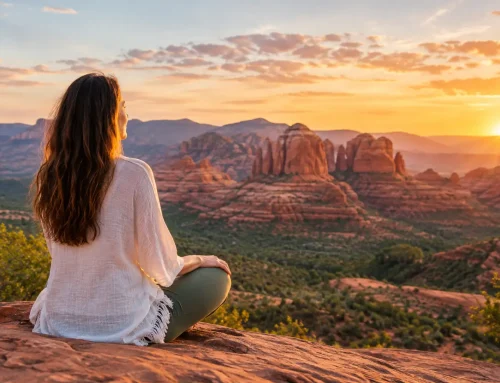
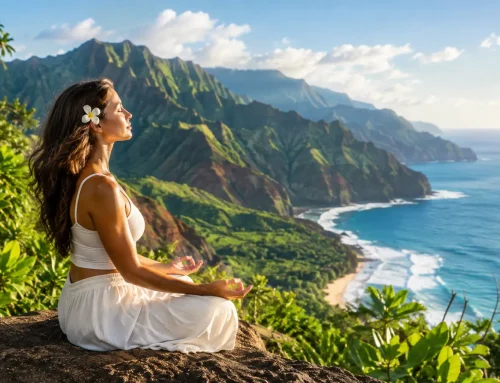
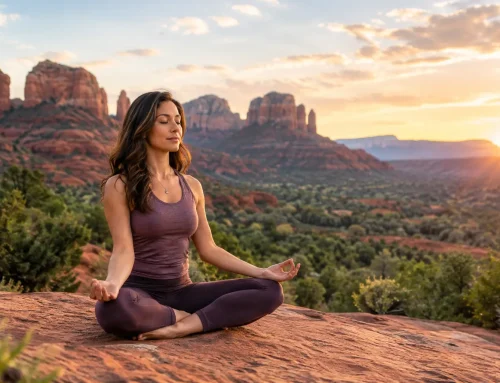
Kauai’s lush beauty, Sedona’s red rocks, the sacred landscapes of the Big Island, and the ancient coastal energy of Greece can all inspire profound reflection. Yet a breathtaking setting alone does not create a healing retreat. The destination should support the experience, not distract from it.
Ask how participants will relate to the place. Is there unhurried time to be present in nature, enjoy a sunrise meditation, or experience local sacred sites with respect? Are outings thoughtfully paced, or is every day packed with sightseeing? Sacred travel is most nourishing when there is a balance between discovery and stillness.
Comfort matters, too. A beautiful room, wholesome food, easeful transportation, and time to rest are not superficial details. They give your body permission to soften. At the same time, do not confuse high-end accommodations with emotional depth. The most memorable retreats pair thoughtful comfort with genuine spiritual care.
Choose Teachers Whose Presence Feels Grounded
The facilitator shapes the atmosphere of a retreat more than any itinerary. Look for a teacher with substantial experience, clear training, and a way of guiding that feels compassionate rather than performative. A gifted teacher does not demand that everyone have the same breakthrough. They create a safe container where each person can meet their own experience.
Read or ask about the practices offered. If you are drawn to Kundalini yoga, meditation, breathwork, or crystal bowl sound healing, find out whether these are central to the program or simply mentioned in the description. There is a meaningful difference between a retreat that offers one meditation class and one that weaves intentional practice through the entire week.
Leadership should also feel personal. Diane, who has guided more than 160 retreats and taught thousands of students, curates each Yoga Inspirations journey around the people who attend. That kind of attention matters because no two groups arrive with the same needs, stories, or readiness for change.
Ask About Safety and Inclusivity
Spiritual work can be tender. A responsible retreat makes room for questions, modifications, and personal boundaries. Ask whether yoga is adaptable for different bodies and experience levels, especially if you are newer to practice, managing an injury, or returning to movement after time away.
Consider the emotional tone as well. Some guests want a retreat that gently invites introspection; others are ready for intensive personal work. There is no right preference, but it is wise to know what you are entering. A trustworthy leader will communicate the program clearly without promising instant healing or pressuring anyone to share more than they wish.
Understand the Daily Rhythm Before You Book
The word “wellness” can mean many things. One retreat may be centered on hiking, green juice, and fitness classes. Another may include daily yoga, guided meditation, sacred ceremony, sound healing, nourishing meals, and spacious afternoons for rest. Both can be valuable, but they serve different intentions.
Request a sample schedule when possible. Notice whether there is a healthy rhythm between group sessions and private time. For some people, an early morning sadhana and full program feel energizing. For others, particularly those recovering from burnout, too many scheduled activities can recreate the pressure they hoped to leave behind.
A well-designed itinerary usually gives you both structure and choice. You should know when you will practice, eat, travel, and gather, while also having enough open space to journal, swim, nap, walk, or simply sit quietly with what is unfolding. Integration needs time.
Consider the Energy of the Group
People often come home remembering the community as vividly as the destination. Retreats bring together strangers who may become dear friends, spiritual companions, or fellow travelers on a new path. Still, every group has its own energy.
Consider whether the retreat is designed for couples, solo travelers, experienced practitioners, beginners, teachers, or a mix of participants. A diverse group can be enriching, especially when the culture is welcoming. Yet if you are hoping to learn how to offer sound healing or pursue meditation coach certification, a training-focused retreat may fit better than a purely restorative getaway.
Smaller groups often allow more individual support and closer connection. Larger groups may bring lively collective energy and a wider circle of new friends. Think about where you feel most at ease. You are not choosing a social status or proving your devotion to wellness. You are choosing the environment in which your heart can open.
Let the Practical Details Protect Your Peace
Spiritual discernment and practical planning belong together. Before committing, make sure the total investment is transparent. Understand what is included in the retreat price, such as accommodations, meals, classes, excursions, transfers, and special ceremonies, and what you will arrange independently.
It is also helpful to clarify four details before placing a deposit:
- The cancellation and travel insurance policies, especially for international travel
- The physical requirements of excursions, walks, yoga sessions, and travel days
- Dietary accommodations and how food needs are handled
- The amount of free time, room-sharing arrangements, and expected group participation
These questions do not diminish the magic. They allow you to arrive more relaxed, with fewer surprises pulling you out of the present moment. If something feels unclear, ask. A retreat team that values your well-being will welcome thoughtful questions.
Notice What You Can Carry Home
A retreat should not become a beautiful memory that fades the moment your suitcase is unpacked. The most supportive programs offer simple ways to continue: a meditation you can practice each morning, a breath technique for stressful moments, a mantra that brings you back to center, or a sound practice that settles your home.
This is especially valuable if you are seeking lasting change rather than a temporary escape. Ask whether the teacher offers ongoing classes, recordings, or practice tools after the retreat. You do not need a complicated routine. Even ten intentional minutes a day can keep the inner spaciousness of your journey alive.
Trust the quiet knowing that arises when you imagine yourself there. The right retreat may challenge you, but it should also feel like a loving yes – a place where you can rest, remember your light, and get ready to live your best life with greater harmony and joy.


Leave A Comment
You must be logged in to post a comment.