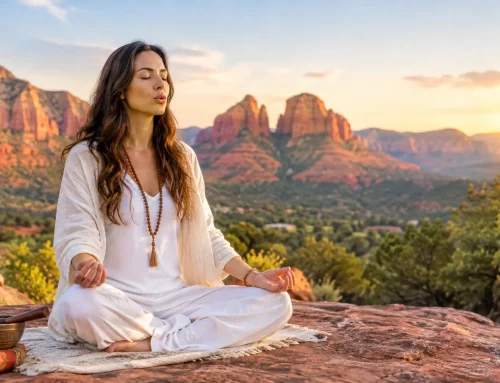
A peaceful life is not one with no noise, no demands, or no difficult feelings. It is the ability to return to yourself when life becomes loud. The best meditations for inner peace create that return – a quiet, steady place within you that remains available whether you have ten minutes at home or are sitting beneath a wide Hawaiian sky on retreat.
For some people, peace begins with silence. For others, silence can feel restless at first, even uncomfortable. That is why meditation is not a one-size-fits-all practice. Breath, mantra, movement, and sacred sound each offer a different doorway. The most supportive meditation is the one you can meet with honesty and repeat with devotion.
Why inner peace needs a practice
Inner peace is often mistaken for a permanent state of calm. In reality, it is a relationship with your own awareness. Thoughts will still arise. Grief, excitement, uncertainty, and old stories may still visit. Meditation teaches you not to hand every visitor the keys to your nervous system.
A regular practice can create a spacious pause between what happens and how you respond. Over time, that pause can bring more patience to a relationship, greater clarity in a life decision, and a softer way of moving through a demanding day. You do not have to force peace. You simply create the conditions in which it can be felt.
7 best meditations for inner peace
1. Breath awareness for a steady center
Sit comfortably with your spine long but not rigid. Let your hands rest in your lap and bring attention to the natural rhythm of your breath. Notice the inhale, then the exhale. There is no need to change anything for the first few minutes.
When the mind wanders, gently name it: thinking, planning, remembering. Then return to the breath. This is not a failure of meditation. This return is the meditation.
Breath awareness is especially helpful when you feel scattered, overstimulated, or pulled in several directions. Try it for five to ten minutes before opening your phone in the morning, or after work before carrying the day into your evening.
2. Long exhale meditation for stress release
When your body feels activated, a longer exhale may be more approachable than trying to empty the mind. Inhale gently through the nose for a count of four, then exhale for a count of six. Continue at a pace that feels easy rather than strained.
The extended exhale gives your system a clear message: it is safe to soften. If counting makes you tense, release the numbers and simply let the out-breath be a little longer than the in-breath.
This practice is beautiful before sleep, before a meaningful conversation, or while traveling. If you feel lightheaded or uncomfortable, return to normal breathing. Meditation should invite presence, not pressure.
3. Kundalini mantra meditation for mental clarity
Mantra gives the mind a sacred point of focus. In Kundalini yoga, the mantra Sat Nam is often used as a reminder of truth and authentic identity. You may silently repeat Sat on the inhale and Nam on the exhale, allowing the sound to move gently with the breath.
A mantra practice can be particularly nourishing for people whose thoughts arrive quickly and persistently. Instead of wrestling with the mind, you give it something luminous to hold. The repetition becomes a rhythm, and the rhythm can become a refuge.
Practice for eleven minutes if you can. Let the mantra be soft, inward, and sincere. Its purpose is not to perform spirituality. It is to help you remember who you are beneath the roles, expectations, and noise.
4. Loving-kindness meditation for a tender heart
Inner peace is not always created by becoming more detached. Sometimes it arrives when the heart has permission to open. Begin by placing a hand over your heart and offering yourself a few simple phrases: May I be peaceful. May I be healthy. May I trust my path. May I be held in love.
Then extend the same wishes to someone you love, someone neutral, and eventually someone with whom there is difficulty. You do not have to pretend that harm was acceptable or that every relationship should continue. Loving-kindness is not about abandoning discernment. It is about releasing the habit of carrying bitterness as a burden in your own body.
This meditation can be powerful during seasons of grief, loneliness, relationship change, or self-criticism. Keep it gentle. If extending compassion toward a difficult person feels too raw, return the practice to yourself.
5. Body scan meditation for coming home
Many people try to find peace by rising above the body. Yet the body is often where peace first becomes real. Lie down or sit supported, then slowly move your attention from the crown of your head to your toes. Notice your forehead, jaw, shoulders, chest, belly, hips, legs, and feet.
You do not need to make each area relax. Simply feel what is there: warmth, tension, numbness, pulsing, or nothing at all. With each exhale, invite that part of the body to receive a little more space.
A body scan is a wise choice when you feel disconnected, exhausted, or caught in mental loops. It is also a grounding practice after emotionally intense work. For some people with trauma histories, body awareness can bring up strong sensations. Shorter sessions, open eyes, or guidance from a qualified professional may be more supportive.
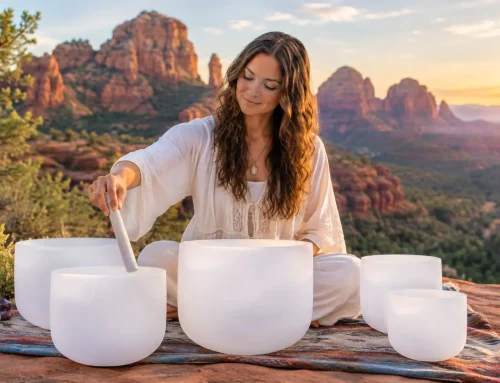
6. Crystal bowl sound meditation for deep restoration
Sound can carry you beyond the habit of overthinking. During a crystal bowl meditation, you rest your attention in the resonance of the bowls and allow the tones to move through your awareness. There is nothing to analyze and nowhere to get to.
As the sound expands and fades, notice the silence around it. That silence is not empty. It can feel spacious, alive, and deeply nourishing. Many practitioners find sound healing especially supportive when silent sitting feels inaccessible or when they crave a more sensory, ceremonial experience.
You can listen to a recording, practice with your own bowls, or receive sound healing in a guided setting. The quality of your attention matters more than having the perfect environment. Let the sound be your anchor, and let every tone call you back to the present.
7. Walking meditation for peace in motion
You do not need a meditation cushion to practice presence. Choose a safe, quiet path and walk more slowly than usual. Feel the contact of one foot with the ground, then the other. Notice the air on your skin, the colors around you, and the rhythm of your steps.
Walking meditation is ideal for those who feel restless sitting still, as well as for anyone who wants to bring sacred awareness into ordinary life. You can repeat a simple phrase with each step, such as Here, now, here, now. On a retreat in Kauai, Sedona, or another place of natural beauty, this practice can become a moving prayer of gratitude. Yet it is just as meaningful on a neighborhood sidewalk.
How to choose the meditation you need today
Rather than asking which meditation is best in general, ask what is most present in you right now. If you are anxious, begin with the long exhale. If your mind is busy, try mantra. If you feel emotionally shut down, loving-kindness may offer a gentle opening. If you are depleted, sound or a body scan may be more restorative than effortful concentration.
Consistency matters, but rigidity does not. A ten-minute daily practice can change the texture of your days more than a long session you only do once a month. Some mornings will call for breath and silence. Other days, your soul may need music, movement, mantra, or the healing resonance of crystal bowls.
At Yoga Inspirations, this is the spirit behind a transformational practice: honoring the whole person, not asking you to become someone else. Peace is not a prize reserved for the most disciplined meditator. It is a sacred capacity already living within you.
Choose one practice for the next seven days. Make it simple enough to keep, beautiful enough to look forward to, and honest enough to meet you where you are. Then sit, breathe, listen, and let yourself come home.