
A beautiful destination can change the view outside your window. Mindful travel can change the way you meet your own life when you return home. The difference is not found in packing more into an itinerary or taking the perfect photograph. It begins when you arrive with enough spaciousness to notice the ocean’s rhythm, the color of desert stone, the warmth of a shared meal, and the quieter voice within you.
For many people, travel has become another form of rushing. We hurry through airports, schedule every hour, and come home needing a vacation from the vacation. A sacred journey offers another possibility: travel as a pause, a practice, and a loving return to what matters most.
What Mindful Travel Really Means
Mindful travel is the choice to be fully present with a place, your body, and the experiences unfolding around you. It invites you to move with intention rather than urgency. That may mean beginning the morning with breathwork before checking messages, walking slowly through a landscape without headphones, or allowing a conversation with a fellow traveler to become more meaningful than the next item on a sightseeing list.
This is not about being serious every moment. Joy, laughter, adventure, delicious meals, and spontaneous discovery all belong on a mindful journey. The practice is simply to receive them fully instead of racing past them.
A retreat setting can make this easier because the container is already held for you. When yoga, meditation, nourishing food, sacred ceremony, sound healing, and time in nature are woven together, your nervous system has room to settle. You do not have to manufacture a profound experience. You can let one arise naturally.
Begin With an Intention, Not a Checklist
Before choosing excursions or opening your suitcase, ask one gentle question: What am I ready to receive from this journey?
Your intention does not need to be dramatic. Perhaps you are longing for rest after a season of caregiving. Perhaps you and your partner want to reconnect beyond the routines of home. Perhaps a part of you is asking for confidence, clarity, forgiveness, or a deeper relationship with your spiritual practice.
An intention is different from a demand. Saying, “I will heal everything this week,” places pressure on an experience that is meant to be restorative. Saying, “I am willing to listen to what needs my attention,” creates room for grace. Let your intention be a compass, not another task to complete.
Write it in a journal before you leave. Return to it during the trip, especially when you feel tired, distracted, or emotionally stirred. Travel often brings our patterns into clearer view. That is not a failure of the journey. It can be one of its greatest gifts.
Let the Destination Become Part of the Practice
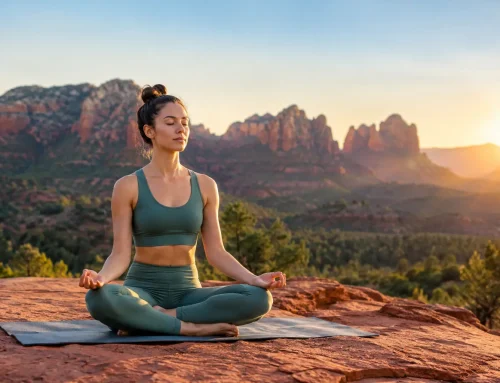
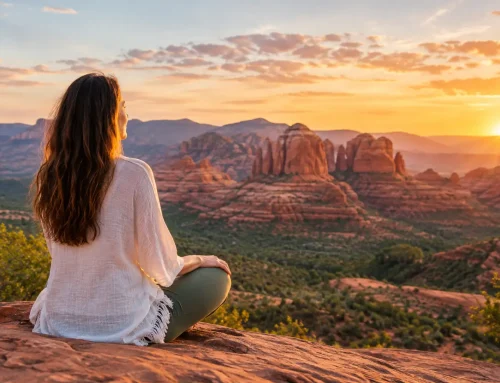
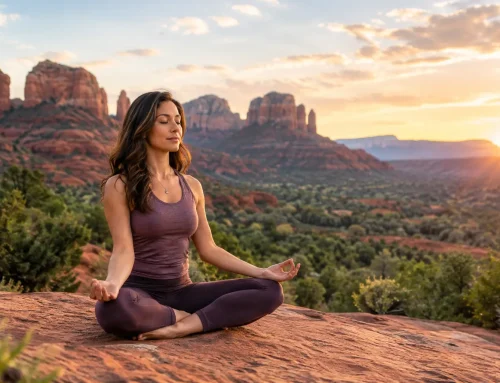
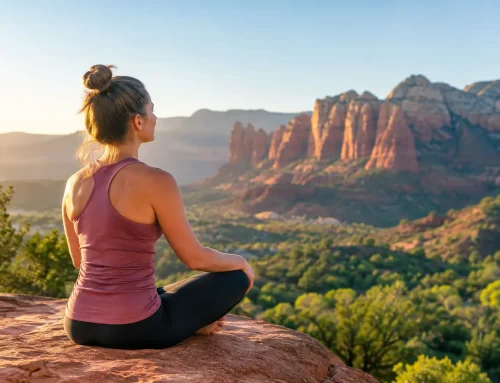
Certain places naturally invite reverence. The red rocks of Sedona, the lush green valleys of Kauai, the volcanic power of the Big Island, and the ancient pathways of Greece each carry a distinct energy. Yet presence matters more than geography. A sacred place is not a backdrop for transformation. It is a relationship.
Meet the land with humility. Learn about its people and traditions. Notice what is unique about its weather, rhythms, food, sounds, and silence. Choose experiences that support local communities, and leave spaces as beautiful as you found them.
Then allow the environment to teach you. The sea can remind you to soften and flow. A mountain path can show you how steady progress is made one deliberate step at a time. A wide desert sky may reveal how much room there is around a thought that once felt overwhelming.
You do not need to assign a spiritual lesson to every moment. Sometimes the lesson is simply to sit quietly under a tree and feel grateful that you are alive.
Practice presence through the senses
When your mind begins planning ahead or replaying home, come back to your senses. Feel your feet on the ground. Notice five colors around you. Listen for the farthest sound, then the closest. Take three slow breaths, extending the exhale a little longer than the inhale.
This small practice is especially helpful in transition spaces: on a plane, before entering a temple or trail, while waiting for a meal, or at the end of a full day. It does not require special equipment, only your willingness to arrive where you already are.
Create a Rhythm That Supports Renewal
A mindful trip benefits from a gentle daily rhythm. Too much unstructured time can leave some travelers restless, while an overfilled schedule can keep the body in stress mode. The sweet spot depends on your personality, energy, and reason for traveling.
For someone recovering from burnout, a slower schedule with ample rest may be deeply healing. For a spiritually curious traveler, guided Kundalini yoga, meditation, and a group ceremony may provide the structure needed to go deeper. Couples may value a blend of shared practices and free time, allowing each person space to reflect while still creating meaningful memories together.
Consider beginning each day with ten minutes of stillness. You might meditate, practice a simple breath exercise, or place your hands over your heart and ask, “How do I want to show up today?” At night, take a few minutes to release the day. A warm bath, gentle stretching, journaling, or listening to a crystal bowl meditation can help the experiences settle into your body rather than remaining only in your mind.
Share the Journey Without Losing It
Photos and messages can help us celebrate a journey with loved ones. There is nothing wrong with wanting to remember a luminous sunset or a joyful group gathering. Still, there is a meaningful difference between documenting a moment and leaving it too quickly in order to post it.
Try this simple boundary: experience the moment first, then decide whether to capture it. Put your phone away during meditation, meals, sacred ceremonies, and conversations that ask for your full attention. If you are traveling with others, invite a few device-free windows each day.
The same wisdom applies to group travel. A retreat community can become a beautiful mirror. You may meet people whose stories awaken compassion, courage, or recognition in you. Listen deeply, but honor your own inner pace. You do not have to share every realization before it has had time to take root.
Bring the Retreat Home With You
The true measure of a mindful journey is not whether every day felt blissful. It is whether you return with one or two practices that help you live differently.
Choose something realistic. If a full hour of morning yoga is not sustainable at home, begin with seven minutes of breathwork. If sound healing opened your heart, create a weekly listening ritual with a favorite meditation or crystal bowl recording. If daily journaling brought clarity, keep your journal beside your bed and write three honest lines each evening.
Yoga Inspirations has witnessed how transformational travel becomes even more powerful when guests continue the foundational tools at home. The purpose is not to recreate a retreat perfectly. Home has dishes, deadlines, family needs, and ordinary responsibilities. The purpose is to carry the inner steadiness you touched into those very moments.
When you unpack, resist the urge to rush immediately back into your usual pace. Leave an open evening after you return if possible. Drink water, sleep well, and let yourself feel whatever is present. You may come home energized, tender, clear, or unexpectedly emotional. All of it can be part of integration.
The next time you travel, let there be space between the places you visit and the person you become there. Breathe before the next plan. Look a little longer. Listen more deeply. Your journey may remind you that the peace you sought across the ocean has been patiently waiting within you.



Leave A Comment
You must be logged in to post a comment.