
A couple can share a beautiful home, a full calendar, and even a deep love, yet still miss the quiet space where they truly see one another. That is often when should couples attend retreats becomes a meaningful question. A retreat is not only a vacation with yoga on the schedule. It is an intentional pause from the routines, roles, and distractions that can keep two people moving beside each other rather than growing together.
The right time is rarely marked by one dramatic event. More often, it arrives as a gentle inner knowing: we want more presence, more joy, more honest conversation, and a shared experience that brings us back to what matters. A thoughtfully guided retreat can offer that space through Kundalini yoga, meditation, sacred ceremony, nourishing meals, sound healing, nature, and time to simply breathe together.
When Should Couples Attend Retreats?
Couples do not need to be in crisis to benefit from a retreat. In fact, attending before disconnection becomes entrenched can be one of the most loving choices partners make. When life feels busy but fundamentally stable, a retreat can strengthen the foundation already there. It creates memories rooted in presence rather than logistics, and it gives each person a chance to be witnessed outside the usual demands of work, family, caregiving, or retirement routines.
A retreat can also be supportive during a transition. Perhaps the children have left home, one partner has retired, a move is approaching, or a season of loss or change has altered the rhythm of the relationship. These moments can bring uncertainty, but they can also open a door. Away from familiar surroundings, couples can ask, with tenderness, who are we becoming now?
It may be especially valuable when conversation has become practical and repetitive. If most exchanges are about errands, schedules, finances, or what needs to be fixed next, the relationship may be longing for a different kind of attention. Meditation and shared stillness do not force a difficult conversation. They make room for a more grounded one.
Signs It Is Time for Sacred Time Away
There is no perfect moment, yet certain signs suggest that a retreat could be deeply nourishing. You may feel affectionate but distracted, grateful for your partner but disconnected from your own inner life, or ready to replace another rushed getaway with a journey that has real intention.
Some couples come because they want to celebrate. An anniversary, a new chapter, a healed season, or a long-held dream of visiting Kauai, the Big Island, Greece, or New Zealand can become more meaningful when the travel itself supports renewal. In a sacred setting, celebration is not only about marking years together. It is about honoring what has carried you through them.
Other couples feel a quiet strain. They may be tired from caring for others, carrying grief, navigating health changes, or living through a demanding season at work. A retreat cannot remove every challenge waiting at home. What it can do is help each partner regulate their nervous system, rest more fully, and meet the relationship from a place that is less reactive.
The distinction matters. A couples retreat is a powerful setting for reflection, shared practice, and reconnection. It is not a substitute for licensed therapy when there is active betrayal, emotional abuse, coercion, addiction crisis, or a pattern of feeling unsafe. In those circumstances, professional clinical support and clear safety planning come first. A retreat may become a supportive addition later, but it should not be asked to carry work that requires specialized care.
Choose the Intention Before You Choose the Destination
The most transformative retreats begin with a simple, honest intention. Couples sometimes assume they must arrive with the same goal. They do not. One partner may long for rest, while the other hopes for spiritual expansion or a renewed sense of adventure. Both desires can belong in the same journey.
Before reserving your place, talk about what each of you hopes to receive. You might say, “I want to remember how to have fun together,” or “I need space to hear myself again.” This conversation is not a contract. It is a compassionate way to arrive with openness rather than unspoken expectations.
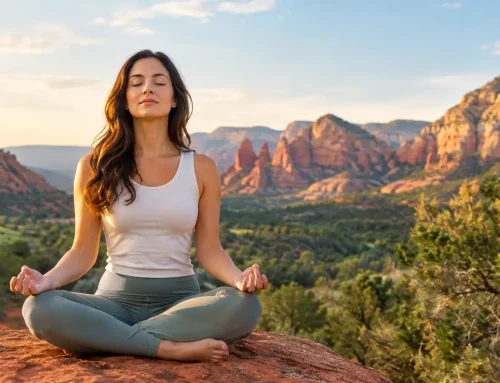
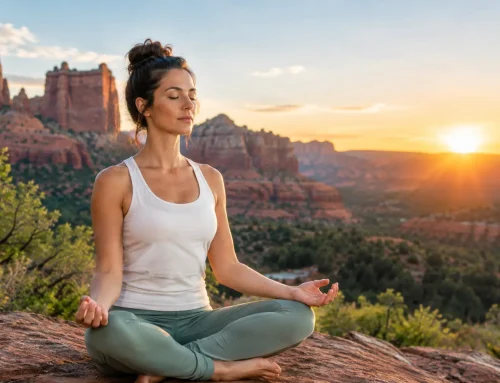
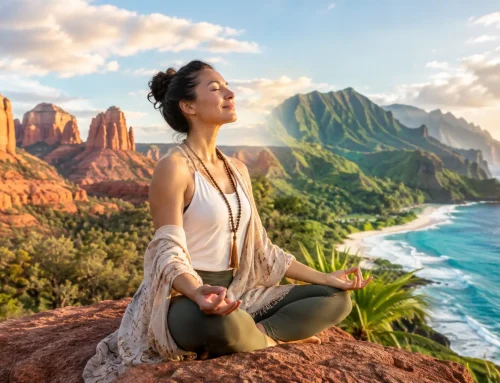
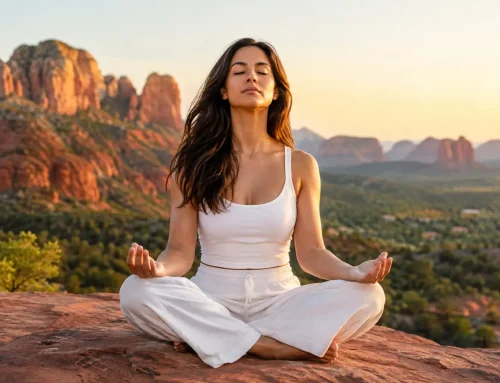
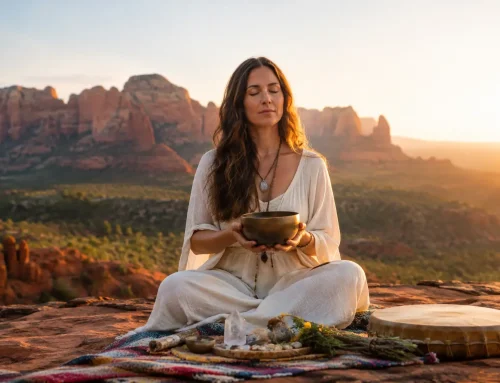
A destination matters because place affects the nervous system. The ocean air and lush beauty of Kauai can invite softness. The expansive volcanic landscapes of the Big Island can awaken perspective. Sedona’s red rock stillness may encourage reflection. Yet the most important ingredient is not the postcard view. It is choosing a retreat that balances shared experiences with space for individual restoration.
A well-curated program offers both. Couples can practice side by side in morning yoga, receive the resonance of crystal bowls during sound healing, and participate in sacred ceremony. They can also take a quiet walk alone, journal, nap, or sit in silence without having to entertain one another. Healthy connection does not mean being together every minute. It means allowing each person to return to the relationship more resourced and more true.
What a Retreat Can Change, and What It Cannot
The gift of retreat is often subtle. You may not leave with every question answered. Instead, you may notice that you listen with less defensiveness, laugh more easily, sleep more deeply, or remember a quality in your partner that daily pressure had hidden from view.
Kundalini yoga, breathwork, meditation, and sound healing can be particularly supportive because they work with the whole being. When the body softens and the mind becomes quieter, people often have access to feelings and insights that were difficult to name at home. A guided practice can help partners release accumulated stress without needing to analyze every detail of it.
Still, transformation needs a place to land. The couples who receive the most lasting benefit are not necessarily the ones who have the most dramatic breakthrough. They are the ones who bring one small piece of the retreat home. It might be ten minutes of morning meditation, a weekly walk without phones, a shared cup of tea after dinner, or a crystal bowl practice that signals the end of a busy day.
Do not expect a retreat to make your relationship permanently effortless. Real life will return, and old patterns may return with it. The difference is that you may now recognize those patterns sooner and have a shared memory of how calm, connected, and open you can feel together.
How to Know You Are Ready
Readiness is less about being an experienced yogi and more about being willing. Couples often worry that they need to be flexible, spiritual, or already skilled at meditation. They do not. A nurturing retreat welcomes newcomers as well as longtime practitioners. Curiosity, respect for each other’s process, and a willingness to participate are far more important than touching your toes.
It helps to be ready for a little discomfort, too. Quiet can reveal what constant activity has covered. A meditation may bring tears, relief, or unexpected clarity. One partner may love the early morning practice while the other needs a slower start. Rather than making these differences a problem, let them become an invitation to practice compassion.
Practical readiness matters as well. Select dates that do not create unnecessary stress around work, caregiving, finances, or recovery time after travel. If the retreat is meant to restore you, protect a day or two at home afterward when possible. Rushing straight from a profound experience into a packed schedule can make integration harder.
Let the Journey Be a Beginning
The best time for a couple to attend a retreat is when both people are ready to give their relationship and their own inner lives devoted attention. It can be a celebration, a reset, a season of healing, or simply a brave decision not to wait until love feels distant.
Sacred travel invites partners to meet beyond the labels of spouse, parent, provider, planner, or problem-solver. In the stillness of practice and the beauty of a new landscape, you may remember that you are two whole souls choosing each other again. That remembrance can become a gentle, enduring way to live your best life together.


Leave A Comment