
The moment you return from a meaningful trip, life can rush back in: the messages, responsibilities, familiar pressures, and old rhythms. It is fair to wonder, are retreats worthwhile if the calm seems to disappear once you unpack? A well-held retreat is not valuable because it gives you a few beautiful days away. It is valuable when it helps you meet your life differently when you return.
For many people, a retreat becomes the pause they could not create alone. It offers dedicated time to breathe deeply, move the body with care, listen beneath the noise, and remember what joy feels like without needing to earn it. For others, it is a chance to reconnect with a partner, step into a new chapter after retirement, or receive guidance in practices they have wanted to understand more fully.
Are Retreats Worthwhile for Lasting Change?
They can be, but not every getaway creates lasting transformation. The difference is intention, skilled leadership, and your willingness to participate beyond your comfort zone. A retreat centered only on a lovely setting may be relaxing. A retreat that combines meditation, Kundalini yoga, breathwork, sacred ceremony, sound healing, reflection, nourishing meals, and supportive community can become a genuine reset for the nervous system and the spirit.
At home, it is easy to begin a practice and let it slip after three busy mornings. On retreat, the structure gently carries you. You wake with an intention. You practice before the day asks something of you. You have time to notice your thoughts, your energy, and the habits that may be asking to be released. Repetition matters. A meditation practiced daily in a peaceful, supportive environment begins to feel less like one more task and more like an inner resource.
That does not mean a retreat is a magic solution. It cannot make difficult decisions for you, repair every relationship, or erase grief. What it can do is create enough spaciousness for clarity to arise. You may return with a more honest understanding of what needs attention and with practical tools to care for yourself as you move through it.
What Makes a Retreat More Than a Vacation?
A vacation usually asks, “What do I want to do?” A spiritual wellness retreat also asks, “How do I want to feel, live, and serve when I return?” There is room for delight, rest, adventure, and beautiful surroundings, but those experiences are woven into a deeper purpose.
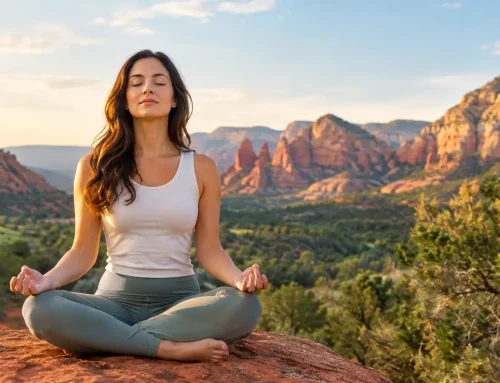
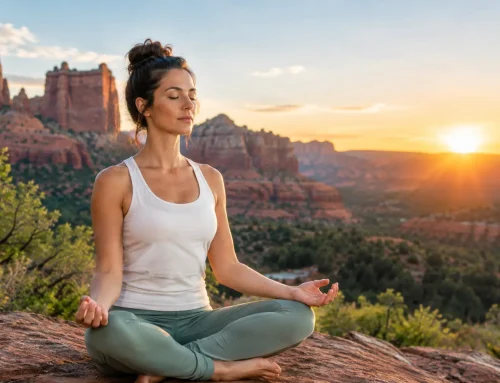
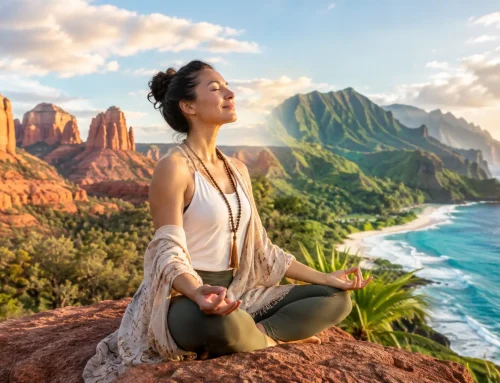
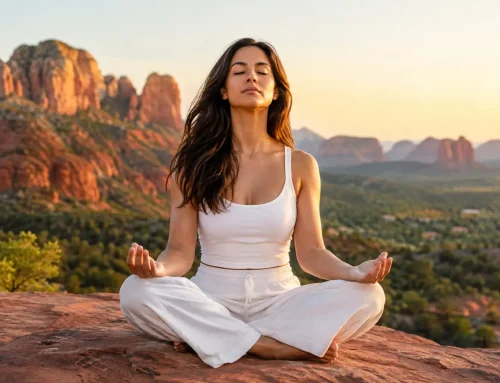
The setting matters because nature helps us remember our place in the larger rhythm of life. Practicing near the ocean in Kauai or the Big Island, walking among red rocks in Sedona, or traveling through a place rich in history and sacred beauty can soften the mind’s usual grip. Yet the destination is not the whole medicine. The transformation comes from how the experience is held.
A thoughtfully curated retreat balances activity with integration. There may be a powerful morning kriya, an afternoon excursion, a sound healing journey, and an evening circle. But there should also be quiet. Without unscheduled moments to rest, journal, wander, or simply sit with what has opened, even a wonderful program can become another packed itinerary.
The quality of instruction matters just as much. An experienced teacher knows when to invite participants forward and when to offer gentleness. They create an atmosphere where newcomers do not feel behind and longtime practitioners still feel inspired. The strongest groups are not built on performance. They are built on safety, sincerity, laughter, and respect for each person’s individual path.
The Benefits You May Carry Home
The most meaningful results are often subtle at first. You may sleep more deeply for a while. You may notice that your breath is fuller during a stressful conversation. You may stop reaching for your phone the moment you wake up because a short meditation now feels better. These small shifts can change the direction of a day.
Many guests also experience a renewed relationship with their body. Yoga on retreat is not about achieving a pose or measuring flexibility. It is an opportunity to feel where you are holding tension, where energy feels blocked, and what your body has been trying to communicate. Breath, movement, mantra, and stillness can offer a language for that conversation.
Community is another part of the value that is easy to underestimate. Adults often carry a great deal while having few places to be truly witnessed. Retreat groups can create friendships that feel surprisingly immediate because everyone has stepped away from ordinary roles. Couples may rediscover each other outside household logistics. Teachers and healers may find encouragement to share their gifts with greater confidence.
For those called to go deeper, a retreat can also be the beginning of a new vocation. Training in meditation coaching or crystal bowl sound healing gives devoted students a way to bring calming, heart-centered practices into their families, communities, and professional work. The right training is not simply about receiving a certificate. It asks you to embody the work with integrity.
When a Retreat May Not Be the Right Choice
Honesty is part of spiritual wellness. A retreat may not be the best next step if you are seeking an escape from an urgent situation that needs direct support at home. It is also wise to consider your budget, physical needs, emotional capacity, and the style of the program before making a commitment.
Not everyone wants the same experience. Some people need spacious silence, while others are nourished by conversation and shared celebration. Some want a gentle introduction to meditation; others are ready for longer practices and transformational inquiry. Ask about the daily rhythm, physical expectations, group size, accommodations, meals, and what kind of support is available. If you are managing an injury, medical condition, or a major emotional transition, communicate that before you go.
Cost deserves thoughtful consideration, too. A retreat can be a meaningful investment, especially when it includes expert teaching, carefully chosen accommodations, meals, healing experiences, and guided travel. Still, expensive does not automatically mean aligned. Consider what you are receiving, who is leading, and whether the retreat’s values feel true to your own. The best choice is one that leaves you supported rather than financially strained or spiritually pressured.
How to Choose a Retreat With Care
Begin with the feeling you are seeking, but look beyond the feeling. If you long for restoration, seek a schedule with genuine rest. If you want to strengthen a home practice, choose a retreat that teaches repeatable meditations and breathwork, not only extraordinary experiences. If sacred travel calls you, look for guides who honor the culture and spirit of the place rather than treating it as scenery.
It also helps to learn about the teacher’s experience and philosophy. Diane of Yoga Inspirations has led 162 retreats over 12 years and taught more than 14,000 people, bringing decades of experience in yoga, meditation, and sound healing to sacred travel experiences. That depth can matter when a practice brings up emotion, when a group needs grounding, or when each guest arrives with a different level of familiarity.
Before you leave, choose one simple intention. It might be to trust your own inner guidance, rest without guilt, open to joy, or reconnect with your partner. Keep it spacious rather than demanding. An intention is not a test you have to pass. It is a gentle compass for the experience.
Let the Return Be Part of the Retreat
The days after a retreat are where its wisdom begins to take root. Avoid immediately filling every open space if you can. Give yourself an evening to unpack slowly, take a bath, prepare a nourishing meal, or sit with your journal. Choose one practice you can realistically keep: perhaps eleven minutes of meditation, a morning stretch, a mantra in the car, or a few minutes with a crystal bowl before sleep.
Stay connected to what you learned, not by trying to recreate every moment, but by honoring the part that felt most alive. A retreat is worthwhile when it reminds you that peace is not reserved for a faraway destination. The destination may awaken it, the group may nourish it, and the practices may strengthen it, but the light you touched is yours to carry into the ordinary sacredness of your own life.



Leave A Comment