
A beautiful destination is no longer enough. The most meaningful spiritual tourism trends 2026 reveal that travelers want to return home changed: calmer in their nervous system, clearer in their purpose, and supported by practices they can continue long after their suitcase is unpacked. They are choosing journeys with intention over packed itineraries, seeking sacred connection rather than another checkbox on a map.
For many people, this shift comes after years of carrying too much. Work, caregiving, constant news, and digital noise can make even a vacation feel hurried. A spiritual retreat offers a different rhythm. It creates time to breathe deeply, move the body with awareness, listen beneath the mind, and remember what brings life into harmony.
Spiritual Tourism Trends 2026: Depth Over Distraction
The wellness travel market once leaned heavily on spa treatments, green juices, and fitness schedules. Those experiences can certainly feel nourishing, but spiritual travelers are increasingly asking a more personal question: what will help me live differently when I return home?
In 2026, retreats that answer that question will stand apart. A thoughtfully led Kundalini yoga practice, daily meditation, sacred ceremony, breathwork, sound healing, and reflective conversation can become more than pleasant retreat activities. Together, they form a container for real renewal.
This does not mean every journey needs to be emotionally intense. Rest is sacred, too. The difference is that intentional travel leaves space for both joy and inner listening. There may be time for laughter over a beautiful meal, a quiet sunrise walk, swimming in warm water, or simply doing nothing at all. The deeper work often happens when the schedule is spacious enough for the heart to catch up.
Smaller groups and trusted leadership
Large wellness events can be energizing, especially for travelers who enjoy meeting many new people. Yet smaller, curated groups are becoming especially appealing to those who want to feel seen rather than processed.
A smaller retreat allows the teacher to respond to the energy and needs of the people present. One group may arrive needing rest and gentleness. Another may be ready to release old patterns, expand confidence, or reconnect as a couple. The most powerful retreat experiences are not copied and pasted from a generic program. They are lovingly shaped around the human beings who have chosen to gather.
Leadership matters here. Travelers are looking beyond attractive photography and broad promises of transformation. They want experienced guides who can hold a safe, uplifting space, explain practices clearly, and honor each person’s pace. Spiritual confidence should never become pressure. A wise teacher invites participation while respecting that healing is personal.
Sacred Places Will Matter More Than Perfect Backdrops
Travelers have always been drawn to Hawaii, Sedona, Greece, New Zealand, and other landscapes that feel naturally alive with beauty and presence. In 2026, the destination itself will become an even more active part of the retreat experience.
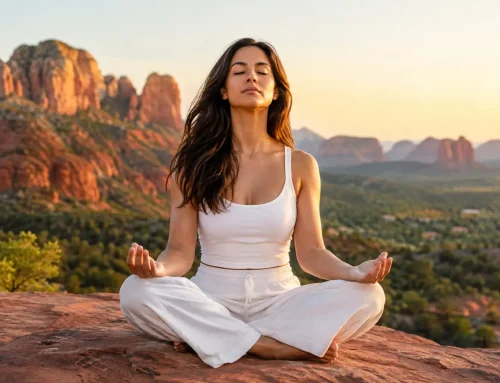
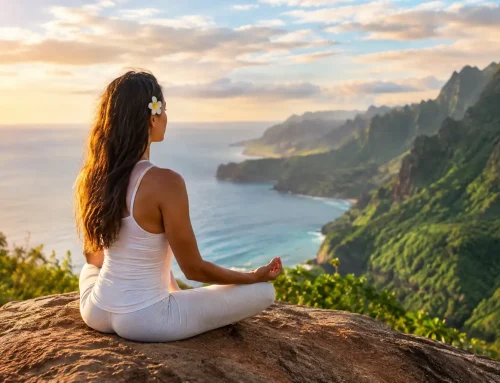
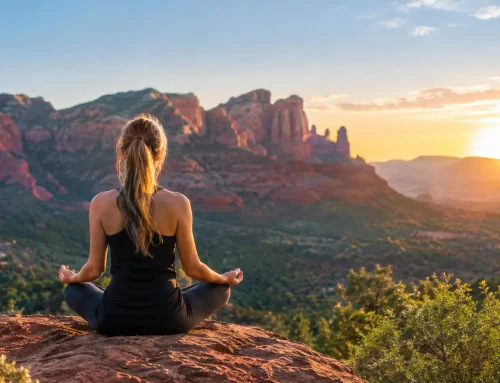
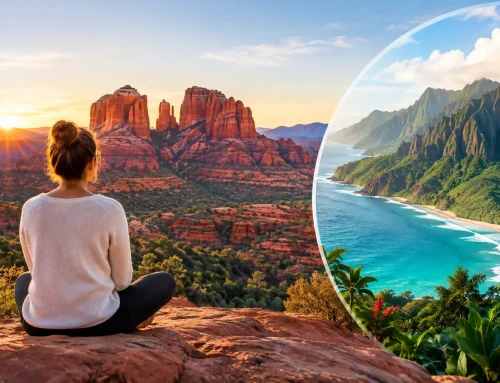
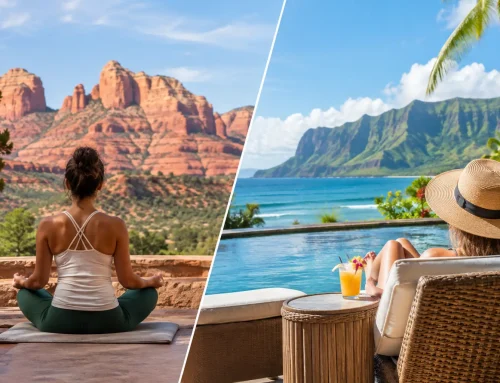
A retreat in Kauai may invite softness, gratitude, and a renewed relationship with nature. The Big Island can feel elemental and grounding, with its dramatic volcanic energy and wide-open horizons. Sedona offers desert stillness and red-rock magnificence that naturally supports contemplation. Each place carries its own rhythm.
But sacred travel is not about claiming that a location will magically fix a life. It is about arriving with reverence. A meaningful itinerary balances extraordinary sights with time to absorb them. It values local culture, respects the land, and avoids treating sacred places as social media props.
This is also where hidden experiences become precious. A guide who knows how to create a quiet moment of ceremony, lead meditation in a beautiful setting, or introduce guests to the spirit of a place can offer something far more lasting than a standard sightseeing tour. First-class travel and spiritual sincerity can belong together when comfort serves presence rather than distraction.
Sound Healing Moves From Add-On to Core Practice
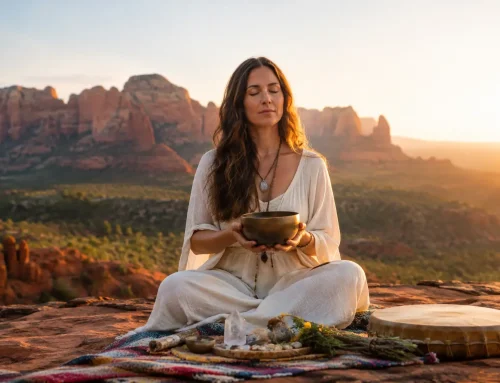
Sound healing is becoming a central part of spiritual travel because people can feel its effects without needing to be experts in meditation. The sustained tones of crystal bowls can soften mental chatter, encourage deep rest, and give the body a felt experience of stillness.
For travelers who spend much of their everyday lives making decisions and caring for others, a sound journey can be an immediate invitation to receive. There is nothing to achieve. One simply lies down, breathes, and allows vibration and silence to do their work.
The quality of facilitation makes a meaningful difference. Sound healing is not merely a beautiful performance with bowls in a scenic room. When guided with sensitivity, clear intention, and skill, it can support meditation, emotional release, and a stronger connection to one’s inner guidance. Some guests will be content to receive this healing experience. Others will feel called to learn the foundations of working with crystal bowls and eventually become certified sound healers themselves.
Retreats Will Build a Bridge Back Home
One of the most encouraging spiritual tourism trends in 2026 is the movement away from the retreat high. Guests do not want to have a profound week, return to a demanding routine, and lose touch with everything they felt.
The strongest programs create continuity. That may include a simple daily meditation, an audio practice for travel days, a breathwork sequence to use before sleep, or an ongoing class community. A crystal bowl, guided recording, or meditation practice can become a gentle reminder that the retreat was not separate from ordinary life. It was a beginning.
This is especially valuable for newcomers to Kundalini yoga. They may arrive curious but unsure whether they can meditate, sit still, or connect with spiritual practice. A supportive retreat makes the entry point simple. Ten minutes of conscious breathing can be enough to begin. A short mantra can steady the mind. A practice repeated with care becomes familiar, and familiar practices are the ones people carry forward.
Couples, retirees, and lifelong learners
Spiritual travel is no longer aimed at one narrow kind of guest. Couples are choosing retreats to restore connection away from household responsibilities and screens. Shared meditation, meaningful conversation, and sacred ceremony can open a new level of listening between partners.
Retired travelers often bring a beautiful readiness for this work. They may have more freedom to travel and a sincere desire to explore the next chapter of life with vitality, friendship, and purpose. Rather than seeking a passive getaway, many want experiences that nourish physical health while helping them ask, “What is mine to create now?”
Fellow teachers and devoted practitioners are also seeking advanced learning in intimate settings. A retreat can become a place to refine teaching skills, deepen a sound healing practice, or prepare for meditation coaching certification. These travelers need more than inspiration. They want grounded instruction, time for questions, and the chance to learn beside others who share their devotion.
How to Choose a Spiritual Retreat With Care
The right retreat is not always the one with the most dramatic destination or longest list of activities. Begin with your honest intention. Do you need rest, spiritual renewal, relationship connection, community, training, or a renewed relationship with your body? The answer helps you recognize a program that fits.
Then consider the rhythm. A full schedule can be wonderful for someone who loves learning and group energy. For another traveler, too many activities can become another form of stress. Look for an experience that includes both guided practice and unstructured time.
It also helps to understand the teacher’s experience and approach. Ask whether practices are accessible for varying physical abilities, whether there is support for beginners, and how the group is held. A sacred experience should feel welcoming, never exclusive or performative.
Finally, let joy be part of your discernment. Spiritual growth is not only about confronting what hurts. It can be about remembering your radiance, sharing nourishing meals, making new friends, feeling awe in nature, and allowing yourself to be delighted by life again.
The most beautiful journey may not be the one that takes you farthest from home. It may be the one that helps you return to yourself with a clearer heart, a steadier practice, and the courage to live your best life with more love, joy, and presence.

Leave A Comment