
A couple can share a home, a calendar, and years of history while still feeling as though they are speaking from separate islands. This is where meaningful relationship retreat outcomes begin: not with a promise that every difficulty disappears, but with protected time to truly see, hear, and choose one another again.
For many couples, everyday life leaves little room for a real conversation. Work, caregiving, retirement transitions, health concerns, financial decisions, and endless logistics can slowly replace curiosity with routine. A well-held retreat creates a pause from those familiar pressures. In that pause, love has room to breathe.
Why a Change of Place Can Change a Conversation
At home, couples often enter the same patterns without realizing it. One person withdraws. The other pursues. A small misunderstanding becomes a familiar argument. Even a beautiful home can hold the energy of responsibilities that need attention.
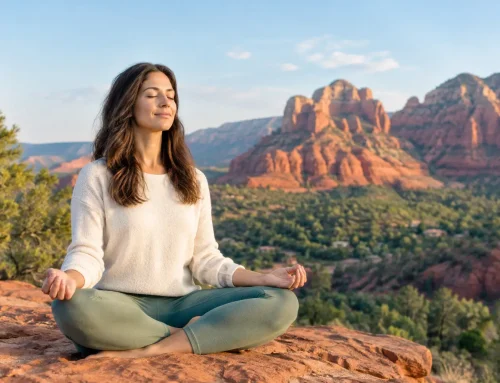
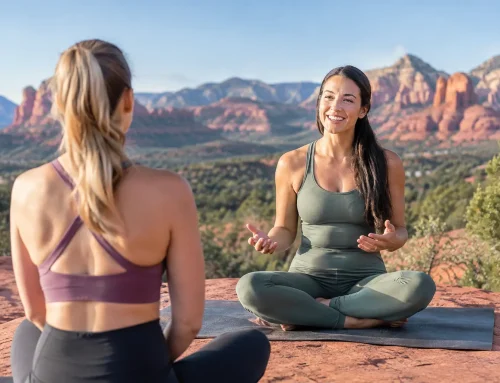
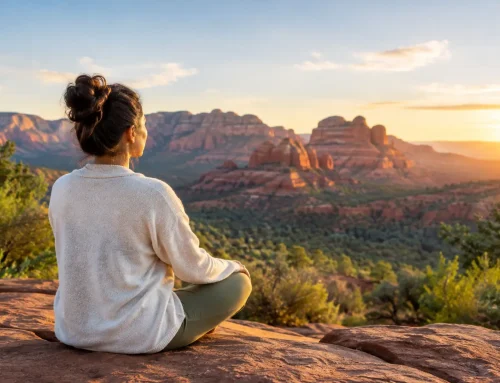
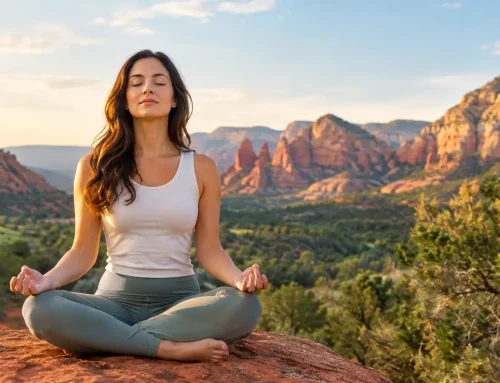
Traveling with intention interrupts that cycle. Whether a couple is surrounded by the red rocks of Sedona or listening to the ocean in Hawaii, the natural world offers perspective. The mind softens when it is no longer racing through the usual list of obligations. A sacred setting does not do the inner work for you, but it can make the work more available.
The most lasting retreats are not simply vacations with a yoga class added to the schedule. They are guided experiences that create space for reflection, honest communication, rest, movement, meditation, and shared joy. Couples are invited to remember that they are more than co-managers of a household. They are two souls on a path of growth.
Relationship Retreat Outcomes That Matter Most
Every couple arrives with a different story. Some are celebrating a long marriage and want to keep their connection vibrant. Some are navigating a season of distance. Others want to build a stronger foundation before a major life transition. The outcomes will depend on willingness, timing, the quality of facilitation, and what each person practices after returning home.
Still, several shifts arise again and again when couples step away with an open heart.
A calmer nervous system
It is hard to be tender when the body is braced for the next demand. Breathwork, Kundalini yoga, meditation, nourishing rest, and time in nature can help release some of the stress that makes ordinary conversations feel threatening. When both partners feel more grounded, they are better able to respond instead of react.
This does not mean conflict will never arise. It means a disagreement may no longer need to become a battle. A couple may learn to pause, breathe together, and return to the conversation with more compassion.
Clearer, more truthful communication
Many people believe they communicate because they talk often. Yet talking about schedules, errands, and responsibilities is very different from sharing what is happening beneath the surface. A retreat setting can invite the deeper questions: What have I been afraid to say? Where do I feel unseen? What do I need more of? What do I appreciate but rarely express?
The goal is not to force intense disclosure or place blame. The goal is to create a more honest and loving language. Sometimes the greatest breakthrough is simple: one partner realizes the other has been asking for reassurance, not trying to criticize. The other realizes that silence was being experienced as disconnection, not peace.
Renewed intimacy and affection
Intimacy is not limited to romance. It is the feeling of being welcomed in another person’s inner world. Shared meditation, sacred ceremony, a quiet walk, laughter over a meal, or listening together in a sound healing can restore that sense of closeness.
For couples whose physical intimacy has changed due to stress, aging, illness, or life demands, a retreat can be especially gentle. There is no requirement to perform or become a different version of yourselves. Instead, the invitation is to slow down, be present, and rediscover affection without pressure.
A shared spiritual practice
One of the most valuable relationship retreat outcomes is leaving with a practice that belongs to both people. It might be a three-minute breath practice before breakfast, a weekly walk without phones, a meditation for patience, or a few moments of gratitude before sleep.
Kundalini yoga and meditation offer practical tools for this. A shared practice gives couples a way to return to center before tension takes over. It also helps each person take responsibility for their own inner state, rather than expecting a partner to fix every difficult feeling.
A more hopeful vision for the future
When a relationship has been under strain, couples can become focused on what is not working. Retreat time widens the view. It allows partners to remember dreams they once shared, discover new desires, and consider what a more harmonious next chapter could look like.
This is particularly meaningful for retirees, empty nesters, and couples facing a change in identity or routine. The question becomes more expansive than, “How do we get through this?” It becomes, “What do we want to create together now?”
What Makes the Shift Last After the Retreat?
A beautiful week away can open the heart. Daily life is where the opening is tended. The couples who experience the most enduring change are not necessarily those who have one dramatic emotional moment. They are often the ones who return home and protect small, consistent rituals.
Choose one practice that feels realistic, not perfect. Ten minutes of meditation together may be more powerful than planning an elaborate weekly ritual that never happens. If mornings are chaotic, try a brief evening check-in. Ask each other, “What is one thing you are carrying today?” and “How can I love you well this week?” Then listen without preparing a defense.
It also helps to agree on a way to handle conflict before the next conflict arrives. Perhaps either partner can ask for a twenty-minute pause when emotions rise. Perhaps you commit to returning to the conversation at a specific time, so a pause does not become avoidance. These small agreements create safety.
A retreat can also reveal issues that require continued support. If there has been betrayal, addiction, emotional abuse, untreated trauma, or deep resentment, a spiritual retreat should not be viewed as a substitute for qualified therapeutic care. It can be a supportive beginning, but healing may need individual counseling, couples therapy, medical care, or other specialized guidance. Real transformation honors that truth.
Choosing a Retreat That Supports Both Partners
Not every retreat is right for every relationship. Some couples want active adventure and expansive travel. Others need quiet, rest, and room to process. Some are drawn to yoga and meditation; others may feel more comfortable beginning with nature, gentle movement, and guided reflection.
The most supportive environment is one where neither person has to pretend. Look for experienced leadership, a pace that allows integration, and practices that invite participation without pressure. A retreat should feel sacred and welcoming, not like an emotional test you must pass.
Yoga Inspirations has been guiding sacred travel and transformational retreat experiences for decades, with practices shaped by Kundalini yoga, meditation, sound healing, and the wisdom of gathering in extraordinary places. The intention is not to hand couples a formula. It is to offer foundational tools and a loving container where each relationship can meet its own next step.
The Quiet Gift of Being Chosen Again
The deepest shift may be the least dramatic. It may happen when one partner reaches for the other’s hand during a meditation. It may come in a conversation that finally feels safe, or in the shared relief of realizing that the relationship still holds possibility.
A retreat cannot write your next chapter for you. But it can remind you that love is not only something you feel when life is easy. It is also a practice of presence, tenderness, accountability, and returning. Carry one small practice home, repeat it with devotion, and let that choice become a new way of living together.



Leave A Comment