
A yoga retreat center review should reveal more than whether the rooms were comfortable or the scenery was beautiful. A meaningful retreat changes the pace of your inner life. It gives you space to breathe more deeply, listen more honestly, and remember the part of yourself that can feel calm, clear, joyful, and connected.
For some travelers, a retreat is a first step into meditation or Kundalini yoga. For others, it is a long-awaited return to practices that have carried them through decades of change. Either way, choosing the right center matters. The setting may draw you in, but the quality of teaching, care, community, and intention determines what you carry home.
What a Yoga Retreat Center Review Should Actually Consider
A beautiful destination is not automatically a healing environment. Ocean views, red rock trails, tropical gardens, and elegant meals can support renewal, but they cannot replace skilled guidance. Look beneath the photographs and ask what happens during the actual retreat days.
A center worth your time will be clear about its practices, daily rhythm, leadership, accommodations, and the level of experience expected from guests. You should be able to understand whether yoga classes are vigorous or gentle, whether meditation is central to the program, and how much time is reserved for rest, reflection, excursions, or personal integration.
The most useful reviews describe the feeling of being there. Did guests feel welcomed as individuals? Was there enough structure without every moment being scheduled? Did teachers make newcomers feel at ease while still offering depth to seasoned practitioners? Specific details often tell you more than a simple five-star rating.
The Teacher Is the Heart of the Retreat
When you are traveling for spiritual renewal, the teacher is not an added feature. They are the person holding the container for your experience. Their presence shapes the safety, warmth, and depth of the group.
Look for a leader with sustained experience in the modalities being offered. A teacher of Kundalini yoga, meditation, or sound healing should be able to explain the purpose of a practice in grounded language, offer modifications when needed, and recognize that each participant arrives with a different body, history, and emotional landscape.
Experience also brings discernment. An excellent teacher knows when to invite a group into powerful breathwork and when a quiet meditation is the wiser choice. They do not force emotional breakthroughs or present healing as a performance. Instead, they create conditions where insight can arise naturally, with respect for each person’s timing.
At YogaInspirations, Diane brings more than 20 years of teaching experience and has guided over 14,000 people through yoga, meditation, sound healing, and sacred travel. Her retreats are individually curated for the people who attend, which matters because a gathering of couples, retired travelers, teachers, and first-time seekers may need a different rhythm than a retreat designed around intensive training.
Questions to ask about leadership
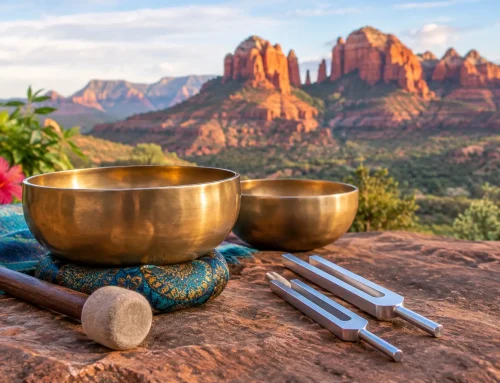
Before reserving your place, learn who will lead the daily practices and whether guest facilitators will be involved. If sound healing is part of the experience, ask whether the practitioner is trained to work with crystal bowls and group energy in a thoughtful, supportive way.
It is also reasonable to ask how the facilitator supports physical limitations. Yoga is not a test of flexibility. A truly nurturing teacher offers choices so that a participant can practice with integrity rather than strain to keep up.
Practice Depth Matters More Than a Packed Schedule
Some retreats advertise full days from sunrise to evening. That may feel exciting, especially if you want to make the most of a destination. Yet a packed itinerary can leave little room for the quiet integration that makes a retreat transformative.
Consider the balance. A nourishing program may include morning yoga, guided meditation, sacred ceremony, sound healing, a local cultural experience, and free time to journal, swim, walk, or rest. The right amount depends on your intention. If you need restoration after a demanding season, fewer activities and more spaciousness may serve you best. If you are pursuing certification in meditation coaching or crystal bowl sound healing, a more focused schedule can be deeply fulfilling.
Kundalini yoga can be especially powerful in a retreat setting because it brings movement, breath, mantra, and meditation together. Rather than treating yoga as exercise alone, this approach invites you to work with your energy, awareness, and inner resilience. A well-designed retreat allows enough repetition for a practice to become familiar, rather than presenting a different technique every hour.
If a program includes ten meditations, ask how they are woven into the experience. Are they offered as disconnected activities, or do they build toward a shared intention such as releasing stress, expanding gratitude, strengthening intuition, or welcoming more harmony into your life?
The Destination Should Deepen the Experience
A sacred journey is not simply a vacation with yoga added to the itinerary. The location should have a meaningful relationship to the retreat’s purpose.
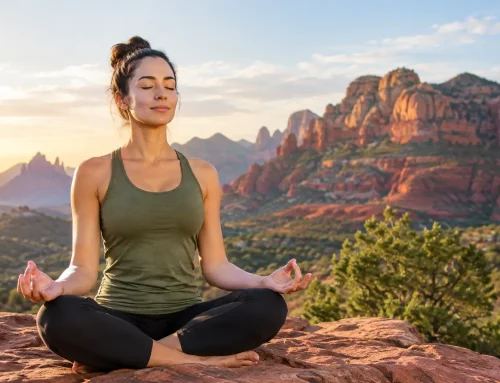
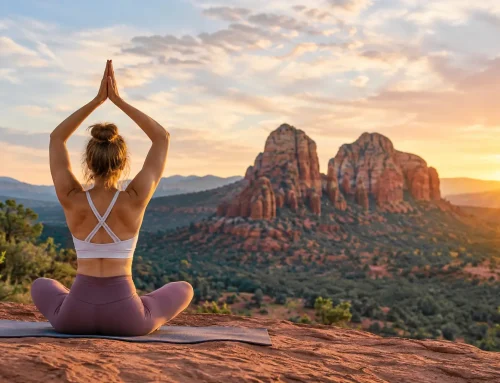
Kauai and the Big Island invite a different kind of listening. The ocean, volcanic landscape, rainforests, and open skies naturally encourage wonder and perspective. Sedona offers its own powerful sense of stillness, with red rock landscapes that invite grounding walks and spacious contemplation. In Greece, Croatia, or New Zealand, the retreat experience may include ancient places, local beauty, and hidden corners that would be difficult to find alone.
Still, destination should not become distraction. Ask whether excursions feel thoughtfully selected and whether there is a respectful approach to local culture and sacred sites. First-class travel does not mean rushing from one attraction to another. It means being cared for well enough to be present for what you are seeing, feeling, and learning.
Community Can Be Part of the Healing
Many people arrive at a retreat needing time alone, then discover that kindred community is one of the greatest gifts. Sharing meditation, meals, music, or a sunrise practice can create connections that feel remarkably sincere. There is something restorative about being among people who have chosen to pause, learn, and tend to their inner lives.
That said, not everyone wants constant social interaction. Read reviews for clues about the group culture. Does the retreat honor solitude? Are meals communal but unpressured? Is there an atmosphere of warmth without an expectation to share more than feels comfortable?
For couples, a retreat can create a valuable reset from daily responsibilities. Practices such as breathwork, meditation, and sound healing may open new conversations and deeper appreciation. For solo travelers, a welcoming group can make an unfamiliar destination feel safe and supportive. For yoga teachers, practicing alongside peers can renew inspiration and offer practical insight for serving their own students.
Read Reviews With Both Heart and Discernment
A glowing testimonial can be encouraging, but look for patterns across several reviews. Notice whether guests repeatedly mention the teacher’s presence, the quality of the accommodations, the organization of travel details, the meals, and the depth of the practices. Repeated comments about feeling cared for, seen, and renewed are meaningful signs.
Also consider what is not being promised. No ethical retreat can guarantee a complete life transformation in a week. A retreat can offer tools, perspective, and an extraordinary environment for change, but your ongoing practice is what helps the experience take root at home.
Be honest about practical preferences as well. If you need private accommodations, dietary support, gentle movement, or plenty of unstructured time, seek that information before booking. A retreat can be wonderfully led and still not be the right match for your current season.
Choose the Retreat That Meets Your True Intention
Before you compare retreat centers, take a quiet moment with a journal. Ask yourself what you are truly seeking. Perhaps you want to rest after years of caring for others. Perhaps you are ready to deepen a spiritual practice, learn sound healing, reconnect with your partner, or celebrate a new chapter with meaningful travel.
Let that answer guide your choice more than a trendy location or an impressive itinerary. The right retreat will not ask you to become someone else. It will offer sacred space, wise guidance, and supportive practices that help you return to yourself.
The most lasting retreat memories are rarely about checking off every activity. They are the morning when your breath finally softened, the sound of crystal bowls settling through your body, the conversation that reminded you that you are not alone, and the quiet realization that your best life is still waiting to be lived.




Leave A Comment