
A retreat is no longer simply a beautiful place to unroll a mat. The most meaningful emerging spiritual retreat trends are moving away from packed schedules and surface-level wellness toward a deeper promise: return home more connected to your own spirit, your body, and the life you are here to live.
For many people, that shift is personal. After seasons of caregiving, career change, loss, retirement, or relentless responsibility, a poolside yoga class is not enough. They want sacred space, wise guidance, practices they can actually carry home, and a community that meets them with warmth. Couples are seeking a renewed way to listen to one another. Teachers are seeking fresh inspiration and advanced skills. Spiritually curious newcomers are looking for an experience that feels welcoming rather than intimidating.
The retreats drawing devoted repeat guests are responding to those desires with greater care, intention, and depth.
Emerging spiritual retreat trends are becoming more personal
The era of one-size-fits-all retreat programming is fading. Guests still appreciate a thoughtfully held group rhythm, yet they also want to feel seen as individuals. The strongest retreat experiences now make room for personal intention, whether someone arrives to soften anxiety, strengthen a relationship, move through grief, regain vitality, or listen for a new calling.
This does not mean every moment must be customized. A shared sunrise meditation can be powerful precisely because everyone enters the same stillness together. What changes is the quality of leadership around it. An experienced teacher notices when a group needs more rest than stimulation, when a powerful breathwork practice needs gentle grounding, or when a conversation wants to become a sacred ceremony rather than a quick discussion before dinner.
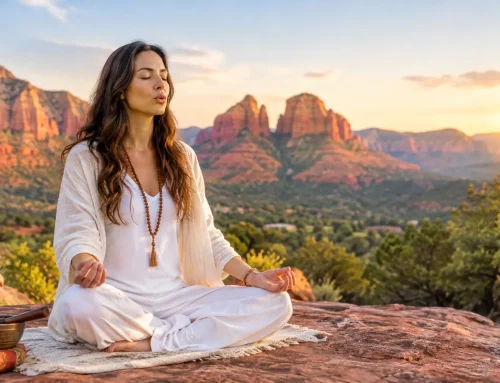
Kundalini yoga belongs naturally in this movement. Its blend of movement, breath, meditation, mantra, and deep relaxation offers many doors into the practice. One guest may feel a release through breath, another through a moving kriya, and another through the quiet vibration of sound. There is no need to force a single path of transformation.
Sound healing is becoming a practice, not just a performance
Sound baths have become familiar in wellness spaces, but the next evolution goes beyond lying down for an hour of beautiful tones. Guests increasingly want to understand how sound supports meditation, emotional release, nervous system regulation, and prayerful attention.
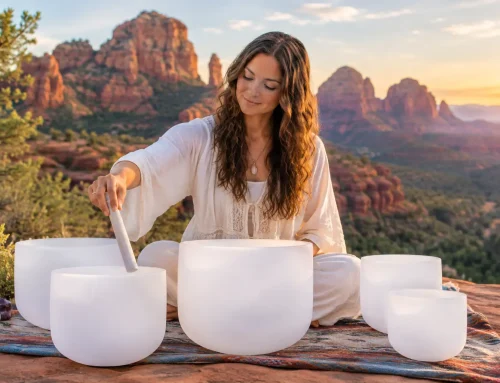
Crystal bowls, gongs, chanting, and intentional silence can create an atmosphere where the mind begins to loosen its grip. Yet sound healing is most beneficial when it is offered with skill, consent, and spaciousness. Louder is not always deeper. More instruments do not automatically create more healing. A gifted sound practitioner knows how to listen to the room, use vibration with sensitivity, and allow silence to do part of the work.
This trend is also inspiring more people to learn the craft themselves. Trainings for aspiring sound healers and meditation coaches give dedicated students a way to serve their communities with integrity. For yoga teachers, therapists, and caregivers, these tools can become a meaningful extension of their calling. The training matters because holding space requires more than purchasing a set of bowls. It asks for practice, ethics, discernment, and a reverence for the people in the room.
Sacred travel is shifting from sightseeing to relationship
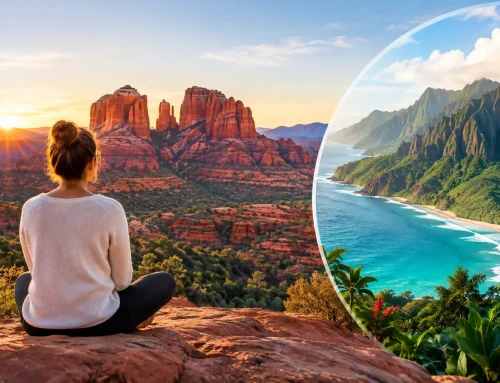
A spiritually nourishing destination adds something no studio can replicate. The red rocks of Sedona, the lush stillness of Kauai, the volcanic presence of the Big Island, or the ancient pathways of Greece can help guests step outside familiar patterns. The land becomes part of the teaching.
But there is an essential distinction between sacred travel and simply placing a retreat in a spectacular location. The first invites relationship. It encourages guests to slow down, learn the spirit of a place, honor local culture, and leave with gratitude rather than entitlement. The second can turn a destination into a backdrop for personal consumption.
This is why smaller, carefully curated groups are gaining ground. They make it easier to visit hidden, meaningful places respectfully, share meals with real conversation, and create a sense of trust within the group. A first-class retreat is not defined only by beautiful accommodations or exceptional food, though both can help the body relax. It is defined by the care woven through every detail: the pacing, the teachers, the ceremonies, the opportunities for quiet, and the respect shown to the land and its people.
Rest is finally being treated as a spiritual practice
Many retreat guests arrive tired in a way that sleep alone cannot repair. They have spent years being productive, useful, responsive, and available. A full itinerary can accidentally recreate the very pressure they came to escape.
One of the most welcome emerging spiritual retreat trends is the return of unstructured time. This may look like an afternoon with no required activity, a slow morning after a profound meditation, time to swim, journal, receive bodywork, or simply sit beneath a tree. Rest is not an empty space between the important parts of a retreat. It is often where the practice settles into the body.
There is a trade-off. Some travelers want to see everything, especially when they have traveled far. Others need a quieter experience. The wisest retreat design offers choice without fragmenting the group. A guest may join a sacred site visit one day and choose a silent walk the next. Both can be deeply aligned with the intention of renewal.
Integration is becoming the real measure of transformation
A powerful retreat can open the heart, but the airplane ride home is where its teachings are tested. When inboxes, family needs, and old habits return, inspiration can disappear quickly unless guests have a bridge back to daily life.
That is why practice-supported retreats are becoming more valuable. Rather than promising permanent transformation in a week, they offer simple ways to continue: a short morning meditation, a favorite Kundalini set, breathwork before a difficult conversation, recorded practices, or a crystal bowl ritual that signals it is time to come back to center.
The goal is not to reproduce the retreat at home. Daily life has its own responsibilities and gifts. The goal is to preserve the inner relationship that became clear during the retreat. Even ten minutes of meditation can remind someone of the spaciousness they felt beside the ocean or beneath a wide desert sky.
For couples, integration may mean creating a weekly device-free check-in or practicing together before bed. For retired guests, it may bring welcome rhythm and community to a new chapter. For teachers, it may shape how they hold their own students. A retreat’s value grows when it continues to ripple outward in these practical, loving ways.
Community is becoming more intentional and more enduring
People may book a retreat for yoga or travel, but they often remember the moment they felt genuinely known. A circle of strangers can become a community when everyone is invited to arrive honestly, without needing to perform wellness or spirituality.
This is especially meaningful for repeat retreat guests. Returning to practice together over time allows people to witness one another’s growth. They may celebrate a new beginning, support someone through a challenge, or recognize that joy has returned to a face that once carried exhaustion. That continuity is rare, and it is precious.
Still, community should never become pressure to share more than feels right. Sacred group experiences need clear boundaries. Participation in ceremony, sharing circles, partner exercises, or emotional practices should be invitational. The most nurturing leaders create belonging without demanding disclosure.
What to look for before choosing a retreat
The growing interest in spiritual retreats brings more options, which is wonderful, but discernment matters. Look beyond polished photographs and ask whether the retreat has a clear intention, experienced facilitation, a manageable group size, and time to rest. Consider whether the practices match your needs and whether the organizers speak openly about accessibility, food, travel logistics, and emotional safety.
If sound healing, breathwork, or intense meditation is part of the schedule, ask how those practices are introduced and supported. If a retreat is held in a culturally significant location, notice whether the approach reflects humility and respect. And if you are new to Kundalini yoga, choose a teacher who can offer adaptations and explain the practice without making you feel behind.
The right retreat may challenge you, but it should not ask you to abandon your inner knowing. A loving container makes room for both expansion and choice.
The future of spiritual retreat travel is not louder, busier, or more exotic. It is more sincere. Choose the experience that helps you hear your own soul with greater clarity, then carry that truth home and let it shape the life waiting for you.


Leave A Comment